When a cat hears its name and starts walking toward you, it can feel like a small reward. Sometimes the response is immediate. Sometimes the cat pauses first, flicks an ear, and then decides whether you are worth the trip.
That little choice says a lot. Cats do not approach only because they recognize sound. They also weigh timing, mood, habits, and what they expect to happen next. A cat may come when called because it is curious, hungry, comfortable, bonded to you, or simply because your voice has become part of the routine of the home.
Some cats arrive with tail held high and a quick pace. Others move slowly, as if they are pretending they were headed your way anyway. The behavior can look simple from the outside, but it often reflects a mix of learning, trust, attention, and context.
Why Cats Respond to Their Names
Cats are capable of learning that a certain sound matters. Over time, they connect a name or calling phrase with a person, an event, or a result. That result is not always food. It may be petting, play, a door opening, or the sound of a can opener in the kitchen.
Unlike dogs, cats usually do not respond because they feel compelled to obey. They respond because they notice a pattern. If your voice has led to something useful or pleasant often enough, approaching becomes a reasonable decision from the cat’s point of view.
A cat coming when called is often less about obedience and more about recognition, habit, and expectation.
Many cats also respond to tone. A soft, familiar voice can be reassuring. A higher or more animated tone may stand out more strongly than normal conversation. Even when the cat does not come right away, it may still be listening carefully.
What the Behavior Looks Like in Daily Life
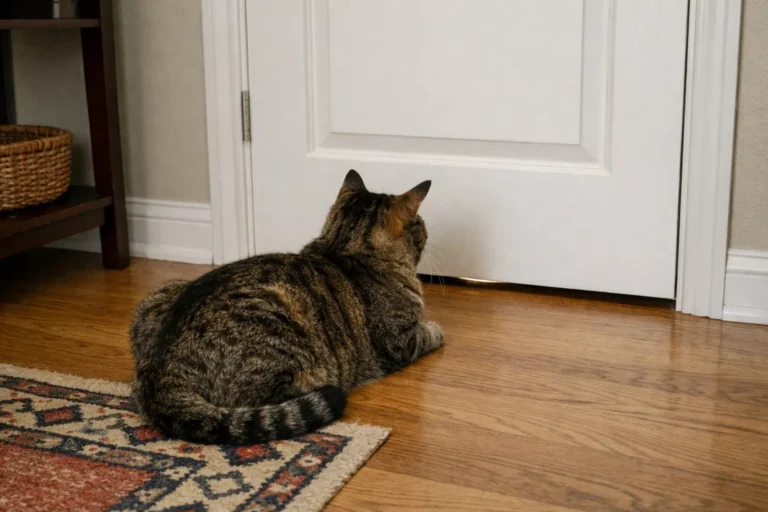
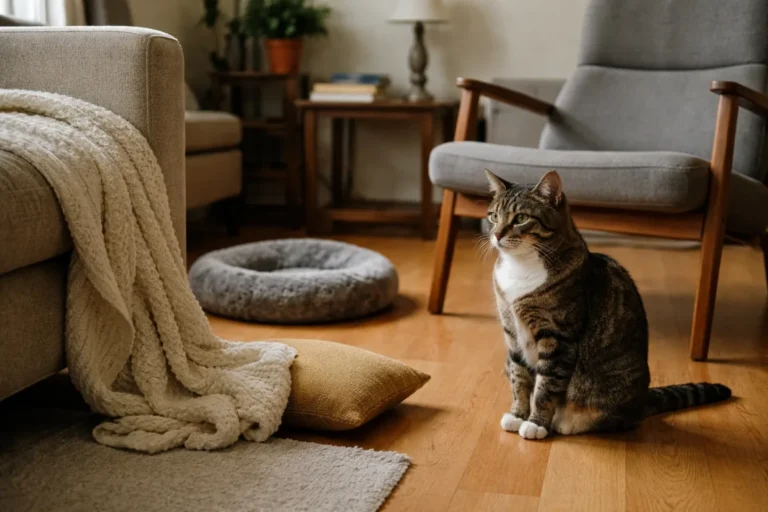
In real homes, this behavior appears in very different ways. One cat may sprint from the hallway the second it hears its name. Another may slowly rise from the couch, stretch, and wander over after a long pause. Both are responding, just in their own style.
You might see the behavior most often during predictable moments of the day. Morning feedings, evening routines, and quiet periods in the house often bring the clearest reactions. The cat learns that certain sounds lead to certain outcomes, and it begins checking in when those sounds appear.
Common everyday examples
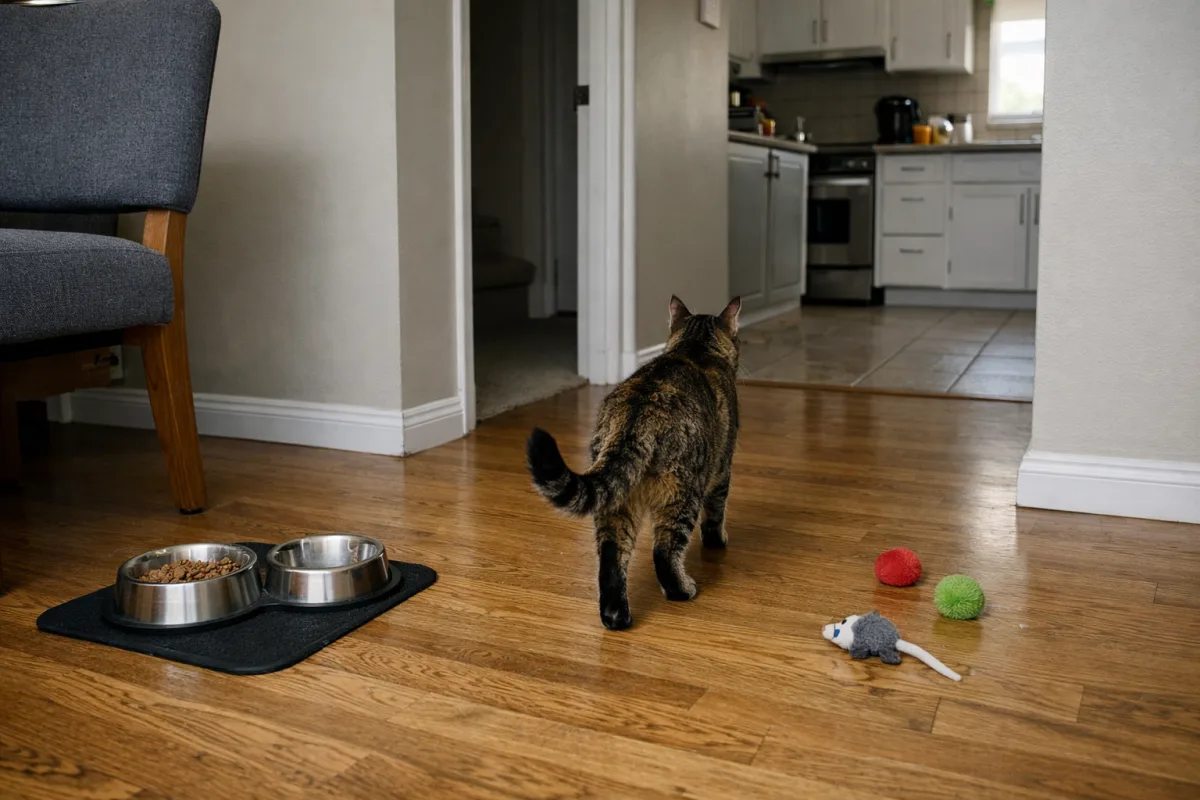
- The cat appears in the kitchen after hearing its name near dinner time.
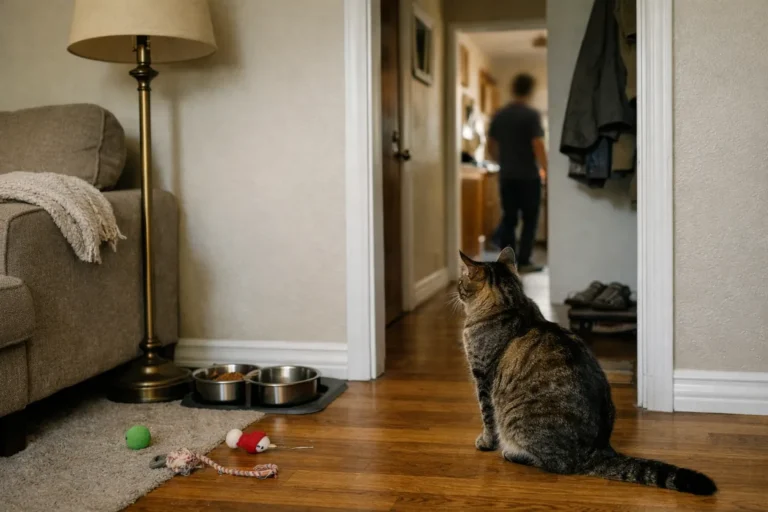
- The cat leaves another room when called by a familiar person.
- The cat turns its head, makes eye contact, and then walks closer.
- The cat comes partway, then stops and waits for more information.
- The cat approaches only when the tone sounds calm and familiar.
Not every approach is direct. Some cats use a zigzag path, circle the room, or stop to sniff objects on the way. That does not mean they are ignoring you. It usually means they are evaluating the situation while still showing interest.
Possible Internal Reasons Behind the Behavior
There is no single reason cats approach when called. The behavior can come from several internal motivations that overlap in daily life. A cat may be curious about what you are doing. It may want contact. It may expect food or attention. Sometimes it simply wants to confirm that the environment is calm.
Bonding plays a major role. Cats that have learned your voice as a source of safety or routine are more likely to respond. They may not always rush over, but the association is there. That relationship grows through repetition, not pressure.
Personality matters too. Some cats are naturally social and check in often. Others are more reserved and selective. A cat that comes when called in a quiet, relaxed way may still be strongly attached, even if it is not the type to run across the house every time.
What may be driving the approach
- Recognition of your voice or name
- Expectation of food, play, or attention
- Curiosity about movement or sound
- Comfort with your presence
- Interest in the current activity or location
A cat’s decision is often practical. If the likely result seems worthwhile, it comes closer. If not, it may keep watching from a distance and wait for a better moment.
How Context Changes the Response
The same cat may respond quickly in one setting and ignore you in another. That difference is usually about context, not defiance. A noisy house, an unfamiliar guest, or a competing distraction can all reduce the chance that the cat will approach right away.
Timing matters in a noticeable way. A cat that hears its name just before meals may move instantly because the cue has been reinforced many times. If the same name is called in the middle of deep sleep, the response may be slower or minimal. The state of the cat at the moment matters as much as the sound itself.
Some cats are more responsive in quiet environments. Others are more likely to come when the house is active, because they enjoy being near the movement. A few cats prefer to observe first and approach only after they have checked the room from a safe distance.
When a cat does not come, it is often reacting to the environment, not rejecting the person.
Environmental factors that affect response
- Noise level in the home
- Presence of unfamiliar people or animals
- Distance between the cat and the person calling
- What the cat was doing before it was called
- Whether the call usually leads to something rewarding
Even small changes can shift the response. A cat may approach more readily in the morning than late at night, or in the living room than in a busy hallway. Familiar settings tend to make the behavior more consistent.
Body Language That Often Accompanies the Approach
The way a cat comes toward you can tell you more than the fact that it came. Body language gives clues about its mood and intent. A relaxed cat may walk with its tail upright, ears neutral, and eyes soft. A cautious cat may move low to the ground, pause often, or keep its tail tucked lower.
The pace matters too. Fast movement can mean excitement, but it can also mean anticipation. A cat may rush over because it has learned that your call often leads to food. Another cat may approach at a measured pace because it is affectionate but not especially urgent.
Watch for the combination of signals rather than one sign alone. A cat that comes, rubs against your leg, and lingers nearby is expressing a different mood than one that comes, sniffs, and immediately leaves. Both are responses, but they serve different purposes.
Signals that often appear with approach
- Tail held up or gently curved
- Slow blinking or relaxed eyes
- Ear position facing forward or slightly outward
- Rubbing against legs or furniture
- Brief vocalizing while moving closer
These signs often suggest comfort, curiosity, or interest. If the cat’s posture looks tight, the movement is hesitant, or the ears are pinned back, the approach may be more cautious than welcoming. Context helps you read the difference.
How Routine Shapes the Habit
Cats are very good at noticing patterns. If you call before meals, before play, or before a favorite interaction, the habit becomes stronger. Over time, the cat may come not because it understands language in a human sense, but because it has learned what usually follows the cue.
Consistency makes the association clearer. Using the same name, the same tone, and the same general routine helps the cat connect the call with your attention. If the cue changes constantly, the response may be less reliable.
This does not mean you need strict training sessions. Daily life provides enough repetition on its own. Feeding, brushing, opening doors, and calling the cat from another room all add up. Cats are attentive to those small moments.
Routine patterns that build response
- Calling the cat before meals
- Using its name during calm, positive interactions
- Rewarding the approach with attention or a treat
- Keeping the tone steady and familiar
- Avoiding calls that always lead to something unpleasant
If a cat learns that being called mostly means a nail trim, medicine, or confinement, the response may weaken. The cat is not being stubborn. It is responding to what the pattern has taught it.
What It May Signal About the Cat’s State
A cat that approaches when called is often showing that it is comfortable enough to engage. That can point to trust, but it may also point to practical interest. The meaning depends on the rest of the behavior.
A cat that comes often, stays nearby, and seems relaxed may be in a social mood. It may want company without demanding much. A cat that appears only around feeding time may be expressing a strong food association rather than a general desire for attention. A cat that approaches slowly after watching from afar may be more cautious but still engaged.
There are also moments when approach can reflect uncertainty. Some cats seek the safety of a familiar person when the environment feels unsettled. In those cases, the call may function as an anchor, pulling the cat toward a known presence.
Approach can mean affection, curiosity, anticipation, or reassurance. The rest of the cat’s behavior tells you which one is most likely.
Why Some Cats Come More Reliably Than Others
Not every cat responds in the same way, and that difference is normal. Breed tendencies may influence sociability, but individual experience usually matters more. A cat raised in a calm, responsive home may learn to approach more readily than one with limited positive association.
Age can also play a role. Kittens often move toward people more quickly because they are still building confidence and learning social patterns. Adult cats may be more selective. Senior cats may approach more slowly, especially if hearing or mobility has changed.
Health should never be ignored if a cat’s usual response suddenly changes. A cat that stops coming when called, becomes withdrawn, or seems confused may be uncomfortable or unwell. A new pattern that persists deserves attention.
Factors that can change reliability
- Hearing ability
- Past experience with people
- Age and energy level
- Stress from household changes
- Physical discomfort or illness
Reliability is not the same as affection. A cat may adore its person and still be inconsistent. Another cat may come every time because the routine is strong. Both relationships can be real and meaningful.
How Owners Often Read the Behavior
People often assume a cat coming when called means the cat is “listening” in the same way a dog might. That comparison can be misleading. Cats usually respond with more independence and less visible enthusiasm, but the underlying recognition is still there.
Another common mistake is treating every approach as the same signal. A cat that comes for dinner is not necessarily seeking affection. A cat that comes when the house is quiet may simply want to be near you. A cat that approaches and then leaves may have been checking in, not requesting anything specific.
It helps to notice what the cat does immediately after arriving. Does it rub, meow, sit, eat, or wander off? Those actions are part of the message. The call is only the beginning.
What a Strong Response Can Mean Over Time
When a cat repeatedly approaches when called, the behavior often becomes part of the relationship. It reflects a working understanding between cat and person. The cat has learned that your voice is relevant, and you have learned how to read the cat’s pace, posture, and timing.
That pattern tends to stay stable when the home environment is predictable. Regular meals, familiar routines, and calm interactions all support it. When the household changes, the response may shift for a while. Cats often need time to adjust before the behavior settles again.
In many homes, the most interesting part is not whether the cat comes, but how it comes. The speed, distance, and willingness to stay nearby reveal much more than a simple yes-or-no response. A cat that chooses to approach is making a small social decision. In a species that values choice, that matters.
Natural, Everyday Meaning of the Behavior
When cats approach after being called, they are often doing exactly what makes sense to them in that moment. They are responding to a sound, a habit, a person, or a possible outcome. Sometimes all four at once. The behavior is flexible enough to mean many things without losing its basic shape.
That is part of what makes it so interesting. The cat is not performing on command. It is deciding whether the call deserves attention. If it walks over, it has already made a judgment based on its own experience.
Some days the response is quick and confident. Other days it is slower, softer, or missing altogether. That variation is part of normal cat behavior. The same cat can be affectionate, observant, cautious, and practical within the same afternoon.
When the call works well, it usually rests on a simple pattern: familiar voice, predictable outcome, and a cat that feels safe enough to choose the approach. That combination is often all it takes for a quiet room to turn into a small moment of connection.