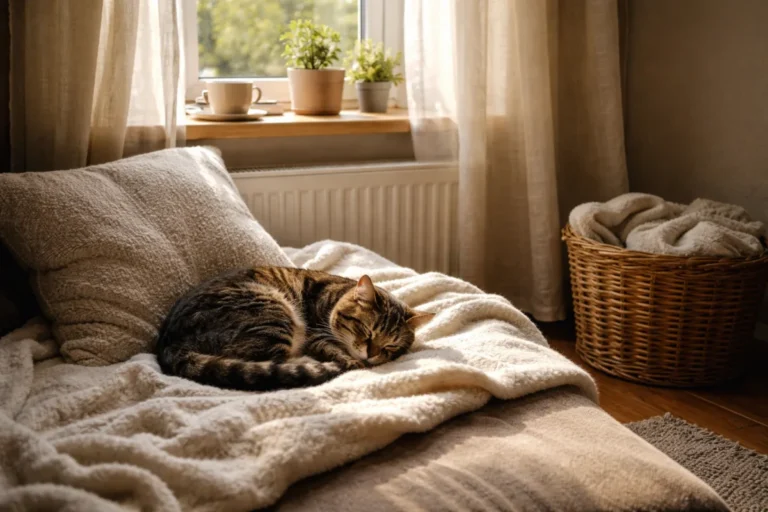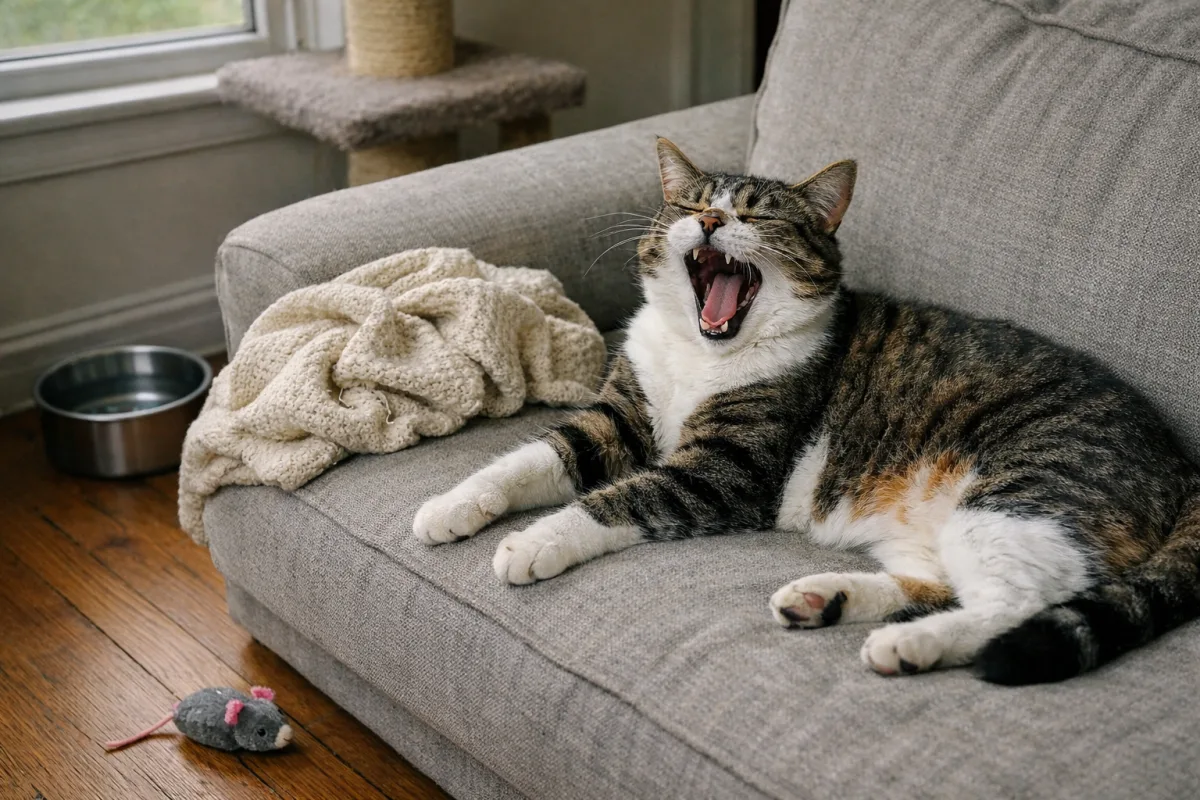
Cat yawns can look almost too dramatic to ignore. One minute a cat is curled on the couch, and the next it opens its mouth wide, stretches its jaw, and seems to pause for a second before settling right back in.
Because yawning is so visible, people often assume it always means sleepiness. That is part of the story, but not the whole thing. Cats yawn for a mix of physical and behavioral reasons, and the pattern around the yawn matters just as much as the yawn itself.
In daily life, frequent yawning can show up during quiet mornings, after a nap, before a meal, while a cat watches the room, or even in moments that seem slightly tense. The behavior is usually harmless, yet it can also reveal something about a cat’s mood, routine, or comfort level.
Why Cats Yawn Frequently
Yawning is a normal cat behavior, and frequent yawning is often tied to ordinary body functions. A cat may yawn when it is waking up, when its jaw muscles need a quick stretch, or when its nervous system is shifting from rest to activity. The movement is simple, but the context around it can change the meaning.
Some cats yawn more often than others because of personality, age, and daily rhythm. A relaxed cat living in a stable home may yawn at predictable times each day, while a more alert or sensitive cat may yawn in response to changes in the environment. In both cases, the behavior is not unusual on its own.
What makes yawning interesting is that it can happen in very different situations. A cat may yawn after a long nap, during a social interaction, while waiting for food, or when something in the room feels uncertain. That range is why owners often notice it and wonder what their cat is trying to communicate.
What Cat Yawning Looks Like in Everyday Life
A cat yawn is usually easy to recognize. The mouth opens wide, the jaw lowers, the tongue may curl slightly, and the eyes often narrow or close for a moment. Some cats make a silent yawn, while others add a small stretch of the neck or shoulders. The whole action can be over in a second.
It often appears during quiet transitions. A cat may wake from a nap and yawn before walking to the window. Another may yawn after grooming, as if the body is moving from one activity to another. Some cats yawn when they are sitting near their owners, especially when they are calm but not fully engaged.
Frequent yawning can also happen in a cluster. A cat might yawn once, walk a few steps, then yawn again after settling in a different spot. If the rest of the body looks relaxed, this is usually just part of normal behavior rather than a sign of trouble.
Common everyday moments when cats yawn
- Right after waking up
- During a lazy stretch or after grooming
- Before getting up to eat or move around
- While watching activity in the room
- After a social interaction with another cat or person
- When the environment changes slightly, such as noise or visitors
Possible Internal Reasons Behind Frequent Yawning
One of the simplest reasons cats yawn is that their bodies are moving between states. Sleep, alertness, and calm awareness do not always switch instantly. Yawning may help a cat wake up more smoothly or reset after a period of stillness. It is a small physical transition that can happen many times throughout the day.
Jaw stretching is another practical explanation. Cats spend a lot of time resting, and their faces and necks can stay still for long periods. A yawn extends those muscles in a way that feels natural and useful. This is especially common in cats that nap often or stay in one position for a long time.
There may also be a connection to brain arousal. In simple terms, a yawn can appear when a cat is moving from drowsy to alert, or from alert to relaxed. That is why a cat may yawn when no one expects it. The cat may not be bored or trying to send a message. It may just be shifting gears internally.
A frequent yawn is often less about one single meaning and more about a cat moving between body states, moods, and levels of attention.
How Context Changes the Meaning
The same yawn can mean different things depending on what happens before and after it. A yawn after a nap is usually ordinary. A yawn during a calm cuddle session may simply mean the cat is relaxed. A yawn in the middle of a noisy household, however, may reflect mild tension or uncertainty.
Owners sometimes focus only on the yawn itself and miss the surrounding signals. Ear position, tail movement, body stiffness, and eye shape all matter. A cat that yawns while lying on its side with loose muscles is sending a very different message from a cat that yawns while crouched and watching the room closely.
Timing is important too. If yawning happens when the house becomes louder, visitors arrive, or another pet approaches, the behavior may be part of a stress response. The yawn does not automatically mean fear, but it can be a soft signal that the cat is processing the situation.
Helpful clues to read alongside the yawn
- Relaxed body versus tense body
- Slow blinking versus wide, fixed eyes
- Loose tail versus tucked or twitching tail
- Normal breathing versus fast or shallow breathing
- Quiet environment versus noisy or busy environment
Why Cats Yawn Around People
Cats often yawn in the presence of people, and that can feel oddly personal. Sometimes it happens during bonding time, when the cat is stretched out nearby and fully at ease. In that setting, the yawn is usually just part of relaxation.
Other times, a cat may yawn while being petted or spoken to. This can be easy to misread. Some owners assume the cat is bored, but the cat may actually be comfortable enough to let its guard down. A yawn during closeness is not unusual, especially if the cat then resettles, kneads, or closes its eyes.
At the same time, cats can yawn when they want a little space. If a cat yawns after being approached too quickly, after prolonged handling, or in a situation that feels socially demanding, the yawn may be part of a calming sequence. It can be a polite, subtle way of slowing the moment down.
Stress-Related Yawning Versus Relaxed Yawning
Not every yawn has the same emotional tone. Relaxed yawning tends to appear with soft body language and predictable timing. Stress-related yawning is more likely to appear alongside other signs of discomfort, such as crouching, ear flattening, lip licking, or a tail that stays tight against the body.
The difference is often in the overall pattern. A relaxed cat may yawn once and then stretch, walk away, or lie back down. A stressed cat may yawn repeatedly while looking around, hiding, or avoiding direct interaction. The yawn itself is not the whole signal. It is part of a larger picture.
Some cats also yawn in situations that are mildly frustrating rather than truly frightening. For example, a cat waiting for a door to open, watching another pet claim a favorite spot, or sitting through a change in routine may show repeated yawning. These moments can reflect quiet tension more than anxiety.
When yawning appears with tense posture, avoidance, or repeated lip licking, it is worth paying attention to the full scene rather than the yawn alone.
How Daily Routine Affects Yawning Frequency
Routine shapes a cat’s behavior more than many owners realize. Cats that follow a predictable daily rhythm often yawn at the same points each day, such as after morning sleep, before meals, or when the household settles at night. The behavior becomes part of the cat’s normal schedule.
Indoor cats may yawn more visibly simply because their lives are structured around repetition. They rest in similar places, wake at similar times, and move between a limited number of familiar spaces. That makes the transitions between sleep and activity easier to notice.
Outdoor cats or cats with more active home environments may show yawning in different patterns. A cat that has spent time exploring, monitoring windows, or responding to household changes may yawn when finally settling down. The behavior still reflects a transition, but the triggers can be broader.
| Situation | Common yawn pattern | Likely meaning |
|---|---|---|
| After sleeping | One or two slow yawns | Waking up, stretching jaw muscles |
| During calm bonding | Loose, unhurried yawn | Relaxation, comfort |
| During noise or change | Repeated yawns with watchful posture | Mild stress or adjustment |
| Before moving or eating | Yawn followed by standing up | Transition from rest to action |
How Age and Life Stage Can Influence Yawning
Kittens may yawn often because they sleep a great deal and shift quickly between bursts of activity and rest. Their bodies are still developing, so their facial and jaw movements may look especially exaggerated. In many cases, frequent yawning in kittens is simply part of normal growth and rhythm.
Adult cats often settle into more predictable yawning patterns. Their habits become tied to routine, territory, and social comfort. A healthy adult cat may yawn mostly after sleep or during quiet downtime, with occasional yawns in moments of mild tension or alertness.
Older cats may yawn frequently as part of a slower pace of life. They often rest more, move more deliberately, and spend longer periods in one position. That can make yawning more noticeable, especially when the cat wakes and stretches before changing locations.
When Frequent Yawning May Deserve Attention
Frequent yawning is not automatically a problem. Still, it is worth noticing when the pattern changes. If a cat suddenly starts yawning much more than usual, especially alongside drooling, bad breath, trouble eating, pawing at the mouth, or visible pain, the cause may involve the mouth or jaw rather than simple sleepiness.
Breathing issues can also matter. A cat that seems to yawn while struggling to breathe, opens its mouth repeatedly without settling, or shows effortful breathing should be checked promptly. In those cases, the behavior is no longer just a normal yawn.
Behaviorally, concern rises when yawning is paired with hiding, loss of appetite, reduced grooming, or a clear change in personality. A cat who suddenly yawns often and seems less comfortable in usual places may be responding to physical discomfort or stress. The broader pattern matters more than any single yawn.
Signs that should be watched closely
- Frequent yawning with mouth pain or drooling
- Yawning plus reduced eating or chewing on one side
- Open-mouth breathing or fast breathing
- Yawning with hiding, fear, or unusual withdrawal
- Sudden increase in yawning that continues for days
What Owners Often Misread
One common mistake is assuming a yawn always means boredom. Cats do get bored, but yawning is not a reliable boredom signal on its own. A cat can yawn because it is relaxed, waking up, processing a situation, or simply moving its jaw.
Another misunderstanding is treating frequent yawning as a direct sign of affection or manipulation. Cats are not usually using yawns to communicate in a deliberate human way. The behavior is more subtle than that. It sits somewhere between body function and emotional expression.
People also sometimes ignore the yawn because it seems harmless. Most of the time, that is fine. But a changing pattern can tell you something about the cat’s comfort or health. The real skill is not in reacting to every yawn. It is in noticing when yawning becomes part of a new or unusual pattern.
How Cats Use Yawning as a Soft Signal
In cat behavior, soft signals often matter more than dramatic ones. Yawning can be one of those quiet signals. It may appear when a cat wants to slow down a situation, when it is moving out of sleep, or when it is mildly unsure but not deeply distressed.
That softness is part of why yawning is easy to overlook. It does not demand attention. It blends into everyday life. But for a cat, the act can fit neatly into moments of pause and adjustment, especially in a home full of sounds, people, and unpredictable movement.
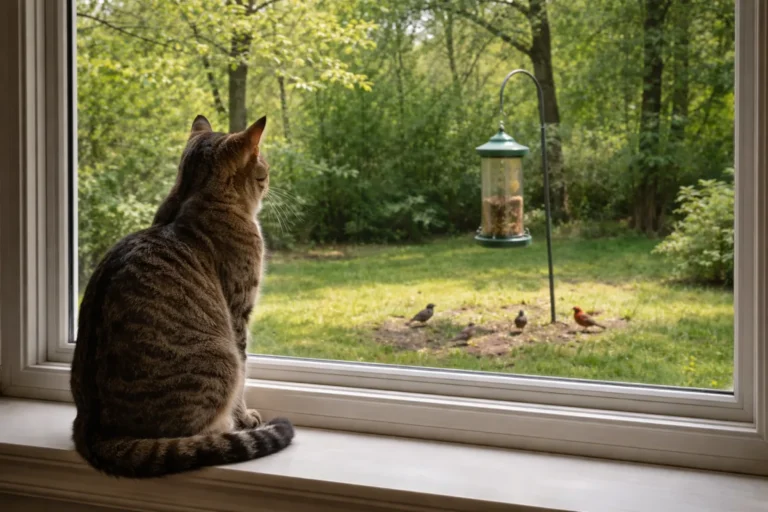
When owners begin to notice the setting around the yawn, the behavior becomes easier to understand. A cat yawning near a window after watching birds all morning is likely decompressing. A cat yawning in a quiet lap may be resting. A cat yawning in the middle of a busy hallway may be choosing a low-key way to handle stimulation.
Frequent yawning is often a small signal of transition: from sleep to wakefulness, from interest to rest, or from comfort to mild tension.
Observing the Full Pattern Over Time
The best way to understand a cat’s yawning is to watch it over time. One yawn means very little by itself. A pattern, on the other hand, can show how the cat responds to routine, noise, handling, sleep, and social interaction.
Some cats are naturally more expressive with their faces and body movements. Others are quieter and may yawn less often. Neither pattern is more correct. What matters is whether the cat’s yawning fits its usual behavior or appears alongside a broader change.
Owners who keep an eye on timing often learn useful things without overanalyzing. A cat that yawns every morning after its nap may simply be following a stable routine. A cat that suddenly begins yawning repeatedly before meals, during play, or when approached may be showing a shift worth noticing. The behavior is small, but the context gives it meaning.
In everyday home life, frequent yawning usually belongs to the same category as stretching, grooming, and settling into a favorite spot. It is part of how a cat moves through its day. Sometimes it is restful. Sometimes it is transitional. Sometimes it is a quiet sign that the environment feels slightly off. The difference is in the details around it, not just the open mouth itself.