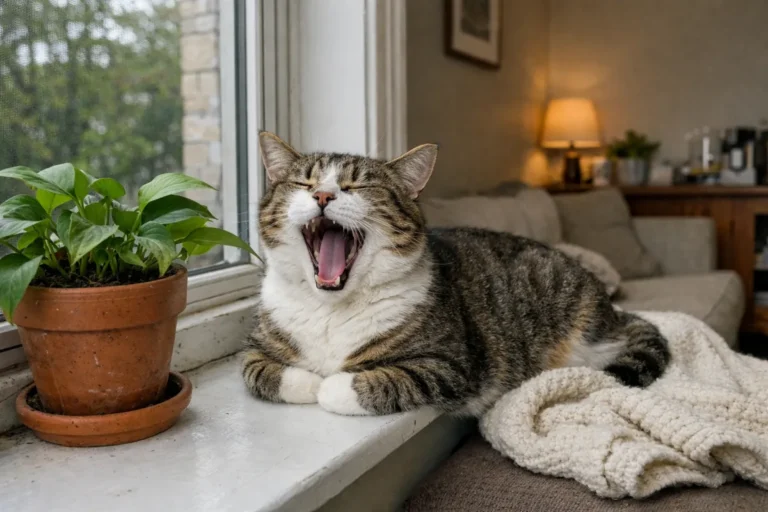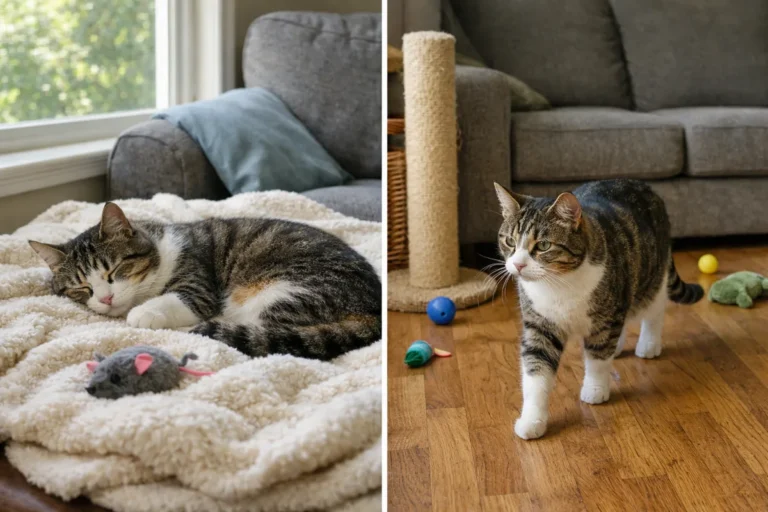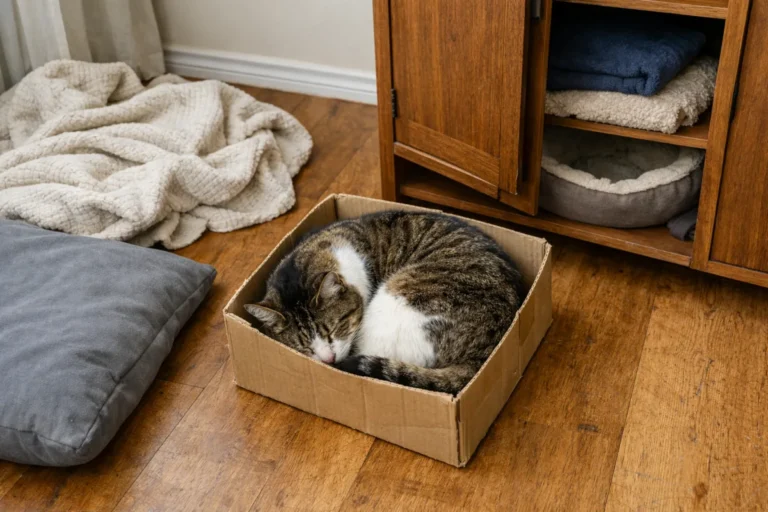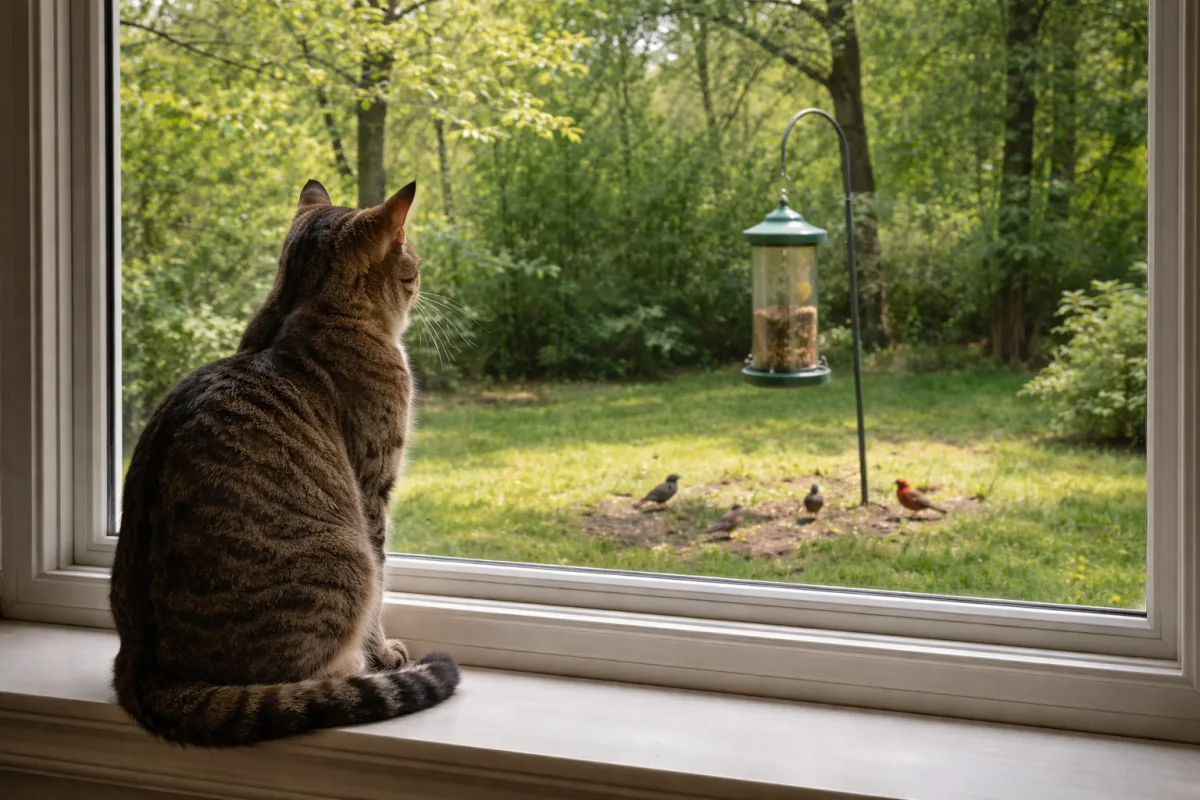
A cat sitting by a window for a long stretch can look peaceful, mysterious, and a little impossible to read. One moment the cat is still as a statue; the next, its ears twitch toward a sound outside, and the whole body seems to wake up without moving an inch. This kind of long observation is common, and it often says more than people first realize.
Some cats watch the world outside because it is deeply interesting. Others do it because the environment inside feels predictable and they want stimulation. In many homes, the window becomes a major event of the day. Birds pass by, a neighbor walks a dog, leaves shift in the wind, or a car door slams on the street. To a cat, those details are not background noise. They are part of a living map.
Long periods of outside watching can reflect curiosity, boredom, territorial awareness, comfort, or simple habit. The same behavior can mean different things depending on the cat’s body language and daily routine. A cat may seem relaxed while watching, but another cat may stare with intense focus and a tense tail. The difference matters.
What long window watching looks like in everyday life
In many homes, the behavior starts in small ways. A cat jumps onto a sill after breakfast and stays there while the household moves around it. It may sit with front paws tucked under the chest, head slightly raised, eyes tracking movement outdoors. Sometimes it changes position only when a sound catches its attention.
Other cats choose a chair near a glass door or a favorite perch that gives them a wide view. They may return to the same spot every day at the same time, especially when outdoor activity increases. Morning bird traffic, afternoon sunlight, and evening neighborhood movement can all trigger a long session of watching.
This behavior is not always silent or still. Some cats quietly chirp at birds, flick the tail tip, or shift the ears from one sound to another. Others remain almost motionless and simply stare. A cat that watches for a long time may also switch between observation and short bursts of movement, like pacing the sill or reaching a paw toward the glass.
Long observation is often less about “doing nothing” and more about taking in information. Cats gather details through sight, sound, and movement, and the window gives them a concentrated stream of all three.
Why cats are drawn to watching outside
The simplest reason is that the outside world is rich in stimulus. For a cat, motion matters. A fluttering leaf, a passing squirrel, or even shifting shadows can activate instinctive attention. Cats are built to notice small changes quickly, and the outdoors is full of them.
There is also a control element. Inside the home, many things happen on human schedules. Outside, the pattern is less predictable. That unpredictability can be fascinating. A cat may not be hunting, but it is still mentally following potential prey, threats, and territory markers. The cat is not just looking. It is assessing.
In some cases, the behavior reflects a cat’s personality. Highly observant cats often spend more time near windows because they enjoy information. They may be the cats that notice every visitor, every bird call, and every movement in the yard. Less social or more cautious cats may also prefer the window because it lets them monitor the world from a safe distance.
Comfort plays a role too. A cat that feels secure in the home is more likely to settle into long periods of watching. The window is not a place of alarm by default. For many cats, it is a trusted lookout point. They can participate in the outside world without leaving the safety of home.
Common situations when the behavior appears
When the home is quiet
Cats often become more focused on the outside when the household slows down. If people are busy, the cat may already have enough internal stimulation. But during quiet moments, the window becomes the main source of activity. A still room can make outside motion feel even more important.
When outdoor life is active
If the cat lives near trees, bird feeders, alleyways, a busy sidewalk, or a lively yard, the behavior may become part of the daily rhythm. A cat may wait by the window around dawn when birds are active or in the evening when neighborhood animals move around more. Some cats learn these patterns and show up right on schedule.
When the cat wants a break from interaction
Not every long stare outside is about the outside itself. Sometimes it is a way to step out of the social flow of the house. A cat may not want to play, be picked up, or engage with people in that moment. The window offers a calm place to exist near the household without participating directly in it.
When something outside changes
New construction, a visiting cat in the yard, seasonal birds, or even a new parked car can suddenly capture a cat’s attention for days. Cats are detail-oriented and can treat small environmental changes as important events. The staring may increase until the novelty fades.
What the behavior may signal about the cat’s state
Long observation does not point to only one emotional state. The context around the behavior tells the story. A loose body, slow blinking, and a relaxed tail often suggest that the cat is calm and simply entertained. In that case, the window is functioning as enrichment.
A cat that is tense while watching may be showing alertness rather than relaxation. The body might lean forward, the tail may move in sharp motions, and the ears may stay fixed on one direction. This can happen when the cat is tracking a bird, another cat, or a noise that feels important. The cat is not necessarily upset, but it is fully engaged.
Sometimes long staring can reflect frustration. An indoor cat may watch birds or squirrels with intense focus and show signs of wanting to move closer. Quick tail movements, crouching, and vocalizing can appear in that setting. The cat is mentally following the action but cannot take part in it.
If the cat seems withdrawn in general, stops responding to familiar routines, or stares outside with little interest in anything else, the behavior may be part of a broader change rather than simple curiosity.
How body language changes the meaning
Body language is the clearest clue. A cat lying on its side while looking out the window is sending a very different message than a cat standing stiffly with dilated pupils. Long observation can be peaceful, intense, or uneasy, and the face and posture usually show which one it is.
Relaxed signs often include soft eyes, slow blinks, even breathing, and a loosely curled tail. The cat may remain in the same spot for a long time but seem settled rather than locked in. This is the kind of watching many cats do when they are content and mildly entertained.
More activated signs include a fixed stare, small rapid tail flicks, a crouched body, and ears turned sharply toward the window. If a cat freezes every time something passes by, it is likely in a high-alert state. That is normal in short bursts, but it should not be the only mode the cat is in all day.
Mixed signals also happen. A cat may look relaxed on the outside while still being highly engaged internally. The difference between calm and tense observation can be subtle, especially in cats that naturally keep their emotions contained. Watching the whole body, not just the eyes, helps make sense of it.
How environment shapes the habit
Indoor cats often use windows as a substitute for outdoor variety. In homes with limited climbing spaces, few toys, or a very predictable schedule, long outside watching may become one of the cat’s main activities. The window is not a problem by itself, but it may point to a need for more mental stimulation.
Noise levels matter too. A quiet house with little movement can make the outside seem even more compelling. On the other hand, a busy household may split the cat’s attention. Some cats prefer a window because they can observe without being touched or interrupted. Others watch outside more when the home is peaceful and they can fully settle.
Seasonal changes also have an effect. Spring brings birds, insects, and active scents. Summer may offer more yard movement. Fall often comes with rustling leaves and changing shadows. Even winter can keep a cat occupied if the window gives a clear view of the neighborhood and the weather itself becomes part of the display.
Home layout matters as well. A wide sill, cat tree beside a window, or safe perch in a sunlit area makes long observation easier. Cats choose locations that feel secure and useful. If a certain window becomes a favored spot, it is often because it combines height, comfort, and a good view.
What long outside watching can mean in daily routine
When the behavior shows up at the same time every day, it may be tied to routine. Cats like patterns. If the mail carrier comes at noon, if birds gather at the feeder in the morning, or if the neighbor walks a dog after dinner, the cat may build expectations around those events. The habit can become very stable.
Some cats use the window as a transition point. They watch after meals, before naps, or after a burst of play. The behavior helps them shift from one state to another. Observation becomes part of the day’s structure, not just an isolated action.
Other cats become more focused on the outside when something in their own routine changes. A move, a new pet, different work hours, or even rearranged furniture can lead to more window time. The cat may be checking for familiar cues or looking for control in a changed environment.
When the habit is long-term and steady, it is usually just one of the cat’s preferred ways to spend time. A cat that eats well, rests normally, engages with the household, and still returns to the window repeatedly is likely treating it as a meaningful part of its day. That behavior can be entirely normal.
When the behavior becomes more noticeable
The habit tends to stand out most when it changes. A cat that suddenly spends much more time staring outside than usual may be responding to a new outdoor stimulus or a shift in mood. The difference is often more important than the act itself.
If the cat begins avoiding play, sleeping less, or seems restless and fixated, the outside watching may be part of a larger pattern of stress or understimulation. That does not mean the window caused the issue. It may simply be where the cat expresses it most clearly.
There are also cats that become more vocal during window time. They may chatter at birds, meow at movement, or make short sounds when something goes by. This is often a sign of intense interest. The cat may be trying to communicate excitement, frustration, or a desire to chase.
In some homes, the behavior becomes more noticeable after the cat has spent time in an enclosed environment with fewer options. A small apartment, long rainy periods, or limited play can all push a cat to lean harder on window watching. It becomes the main event because not much else is available.
Helpful ways to read the behavior without overreacting
- Look at the full body, not just the stare.
- Notice whether the cat relaxes after watching or stays keyed up.
- Pay attention to timing. A daily routine often means habit, not distress.
- Check whether the cat still plays, eats, and rests normally.
- Watch for sudden changes in duration, intensity, or vocalizing.
A cat that enjoys watching outside does not need the habit interrupted just because it looks unusual. In many cases, it is a healthy way to pass time. Still, the window should not become the only source of stimulation. Cats benefit from play, climbing, scent changes, and interaction inside the home as well.
If the watching seems intense and the cat becomes irritable afterward, adding more indoor enrichment can help. Simple changes like rotating toys, placing a perch in a different room, or providing puzzle feeders can break up the day. The goal is not to stop the window habit. It is to keep it from carrying all the weight.
Long-term patterns and stability
Many cats keep this habit for years. It is often one of the most stable parts of their routine. A cat may move from one favorite window to another as the home changes, but the behavior itself remains. The attraction to outside activity is deeply rooted in how cats perceive the world.
That stability can be useful. A cat that regularly spends time observing may be easier to read once the owner learns its signals. The same window spot that starts as a simple perch can become a reliable place to notice changes in comfort, energy, and interest.
At the same time, a stable habit should still be viewed in context. A cat that always watches the outside but remains engaged in other parts of life is showing normal behavioral balance. A cat that gradually narrows its attention to only one activity may be communicating something different. The difference can be subtle, but it matters over time.
Consistent window watching is often a sign of a cat that feels safe enough to observe the world closely. The setting matters, the routine matters, and the cat’s broader behavior matters even more.
Seen in that light, long periods of outside watching are not empty moments. They are part of how a cat organizes information, checks its surroundings, and finds a rhythm in the day. The window becomes a lookout, a resting place, and a source of quiet activity all at once.
For many cats, that is enough. They are not waiting for something bigger. They are simply following movement, measuring space, and keeping watch in the way cats have always done.