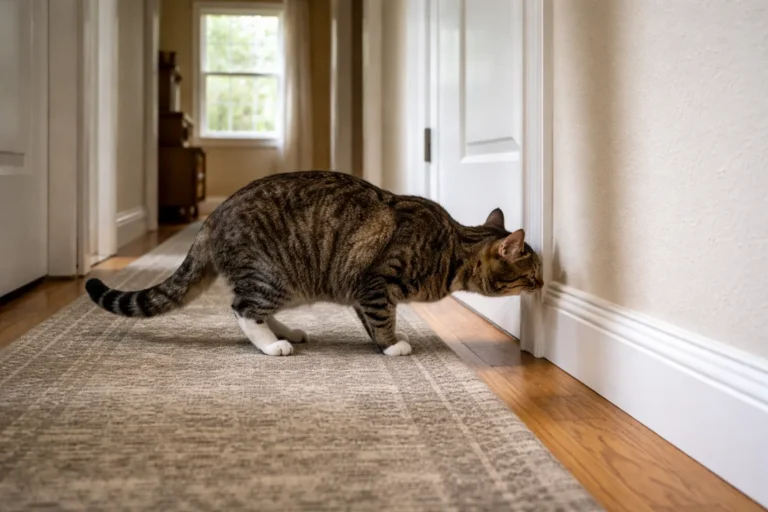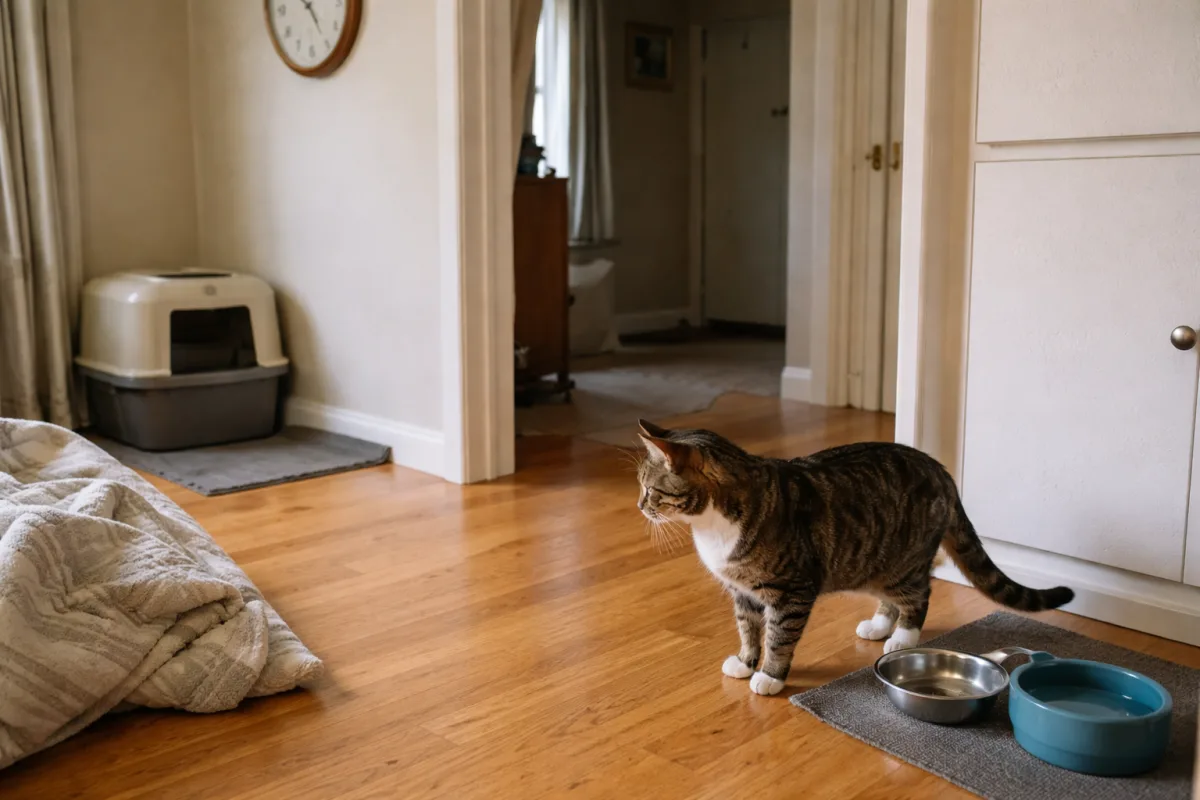
Cats notice more than many people expect. A different feeding time, a new scent in the house, a moved chair, or a changed work schedule can be enough to make them act differently for a while. Some cats become clingy. Others hide. A few act restless, vocal, or unusually picky about food.
This reaction is not random. Cats depend on patterns to understand their environment, and routine gives them a sense of predictability. When the pattern shifts, even in a small way, the change can feel important to them. That is especially true for cats that live indoors, where daily life is already shaped by a limited set of familiar events.
Routine changes do not affect every cat in exactly the same way. One cat may barely notice that dinner came 30 minutes late. Another may sit by the kitchen and complain until the bowl appears. The difference usually comes down to temperament, past experiences, age, health, and how stable the home environment has been.
Why Routine Matters So Much to Cats
Cats are creatures of habit in a very practical sense. They use repetition to map out their day, track safe spaces, and anticipate what comes next. Food, sleep, play, litter box use, and human activity all become part of a mental schedule.
That schedule helps reduce uncertainty. When the day follows a familiar rhythm, a cat does not have to spend energy figuring out whether something is normal. The house feels easier to read. The people in it feel more predictable. Even small routines, like morning feeding or evening lap time, can become meaningful anchors.
In the wild, cats rely on observation and timing to hunt, avoid danger, and conserve energy. Domestic cats still carry that same sensitivity to timing and environmental cues. They are not simply waiting for food. They are noticing whether the day makes sense.
Routine is not just convenience for cats. It helps them feel secure in a world they cannot control.
What Routine Changes Look Like in Daily Life
Reaction to routine changes can show up in subtle ways first. A cat may begin waiting near the feeding spot earlier than usual, follow the owner from room to room, or refuse to settle at the usual nap time. Some cats become more alert and watchful. Others become quieter.
In many homes, the first visible sign is often around meals. A late breakfast, a skipped treat, or a different feeding order can lead to pacing, meowing, or pawing at cabinets. Some cats stop eating right away, while others eat but seem tense and stay near the bowl longer than usual.
Sleep patterns can shift too. A cat that normally sleeps through the afternoon may suddenly nap less and spend more time observing. Another may hide under the bed after visitors arrive or after furniture has been moved. These are not always dramatic changes, but they can be clear signals that the cat is adjusting.
Common everyday examples
- A family wakes up later than usual, and the cat becomes vocal near the bedroom door.
- A work-from-home schedule changes, and the cat starts following the owner more closely.
- A litter box is moved to a different room, and the cat hesitates before using it.
- A vacation or weekend trip changes who feeds the cat, and the cat acts uncertain for a day or two.
- Guests stay overnight, and the cat spends more time in a quiet corner.
Not every reaction means distress. Sometimes a cat is simply processing the change and adjusting. But when the response is strong or repeated, it usually means the routine has become part of the cat’s sense of safety.
Internal Reasons Cats React to Change
One reason cats react so strongly is that they are highly observant. They track details people often miss. A different shoe by the door, a new bag on the counter, or the sound of an alarm going off at a different time can all signal that the day is not following the usual path.
Sensitivity is another factor. Some cats are naturally more cautious. They prefer to assess before they act. When the environment changes, cautious cats may want extra time to watch, sniff, and confirm that everything is still safe.
There is also a control issue, though not in the human sense. Cats do not control the household, but they do rely on knowing where things are and when things happen. When routine changes, that sense of predictability weakens. A cat may respond by seeking reassurance, withdrawing, or becoming more active as it tries to understand the shift.
Past experience matters too. A cat that has lived through many unstable changes, such as moving homes, changes in caregivers, or inconsistent feeding, may react more strongly than a cat raised in a stable environment. Their behavior often reflects memory as much as current events.
When a cat reacts to routine changes, the response often reflects uncertainty, not defiance.
How Context Shapes the Reaction
The same change can affect one cat very little and another quite a lot. Context matters. A routine shift during a quiet, stable week is easier for many cats to handle than a change during a noisy household renovation or a period of travel.
Indoor cats often notice routine changes more quickly because their world is smaller and more predictable. They may not have the same outside stimulation to distract them. If the usual feeding time changes, or their favorite person leaves early, that shift can stand out clearly.
Outdoor-access cats may show a different pattern. They still care about routine, but their environment has more variation built into it. Even so, they can react strongly to changes in feeding, access to the house, or the presence of a different human schedule.
Household activity also plays a role. A quiet home with one or two people is easier for many cats to read than a busy home with children, visitors, noise, and frequent movement. In a more active setting, a cat may already be using extra energy to stay comfortable. A routine change can push the cat past its usual level of tolerance.
Body Language That Often Appears During Routine Disruption
Cats rarely announce their feelings in a direct way. Instead, they communicate through posture, movement, and timing. When a routine changes, body language often becomes the clearest clue.
A cat may hold its body low, keep its tail tucked or still, or sit in a place where it can watch the room without joining it. Ears may point backward or swivel constantly. Eyes may be wide and attentive. Some cats lick their lips more often, groom in short bursts, or move from place to place without fully relaxing.
Other cats respond with seeking behavior. They may rub against legs, meow at the owner, or sit at a doorway waiting for the next expected event. This is often their way of checking whether the pattern will return.
Signals that often appear together
- Waiting near the food area before mealtime
- Following the owner from room to room
- Hiding after a household change
- Increased vocalizing at familiar times
- Sleeping less or in unusual places
- Being more cautious around doors, bags, or moving objects
These signals are not all signs of the same emotion. A cat may be both curious and unsettled at the same time. That mix is very common.
When a Routine Change Shows Up as Behavior Problems
Sometimes a cat’s response looks less like worry and more like a behavior problem. The cat may scratch more, wake people early, refuse food for a short time, or start using a different area of the house. These changes can be frustrating, but they often have a clear trigger.
For example, if feeding time changes, a cat that normally eats first thing in the morning may start vocalizing before dawn. If a new pet has arrived, the resident cat may stop using the litter box peacefully and begin marking territory or avoiding certain rooms. If the owner’s schedule shifts, the cat may act needy at a time when attention used to be available.
It helps to look at the timing. When the behavior begins shortly after a routine change, that connection matters. The cat may not be “misbehaving” so much as struggling to adapt.
Behavior changes after a routine shift often point to stress, confusion, or a need for more predictability.
What Owners Often Misread
People sometimes interpret a cat’s reaction as stubbornness. A cat that refuses to eat until the usual time may seem picky. A cat that hides after visitors arrive may appear unfriendly. A cat that follows every movement in the house may seem overly demanding.
But these reactions usually have a different explanation. The cat is trying to restore a sense of order. Waiting, watching, and checking are all normal coping strategies for a species that values control over its immediate surroundings.
Another common misunderstanding is assuming that a small change should not matter. Human schedules are flexible in ways cat routines are not. A 20-minute delay may feel minor to a person but significant to a cat that has been eating at the same time every day for years.
It is also easy to miss the cat’s own efforts to cope. A cat that stays quiet after a change may not be unaffected. Silence can be a form of caution. Calm behavior is not always the same thing as comfort.
How Age and Personality Affect the Response
Kittens often adjust more quickly because they are still learning how the home works. They may be curious enough to investigate a change rather than avoid it. Still, very young cats also rely heavily on predictable feeding and social contact, so inconsistency can make them restless.
Adult cats tend to settle into stronger habits. The longer a routine has existed, the more the cat may depend on it. A mature cat can be deeply attached to a predictable schedule and may show more obvious reactions when it shifts.
Seniors can be especially sensitive. Older cats often prefer stability because it helps them feel physically and mentally secure. Even minor changes may be harder to adjust to if the cat has reduced hearing, vision, mobility, or comfort.
Personality also matters. Bold cats often investigate change first and react later, if at all. Reserved cats may notice the change instantly and need more time to recover. Neither type is better. They simply cope differently.
Routine Changes and Stress Level
Not every reaction to change means serious stress, but repeated disruption can wear a cat down. If the schedule keeps shifting, the cat may never fully settle. This is when the response becomes more noticeable over time.
Some signs of growing stress include persistent hiding, reduced appetite, increased clinginess, house-soiling, overgrooming, or an unusual refusal to engage in normal activities. When several of these appear together, the cat may be telling you the environment has become harder to predict.
Short disruptions are easier for many cats to handle than ongoing instability. A single late dinner is one thing. A week of irregular feeding, noisy visitors, and missed playtime is something else entirely.
Stress levels can also build quietly. A cat may seem fine for a day or two, then show more obvious behavior only after the routine change has continued. That delayed reaction is common.
What Helps Cats Adjust
The most useful response is usually to make the new pattern as clear as possible. Cats do not need perfect sameness, but they do benefit from consistency once a change happens. If the feeding time will be different, keep the new time steady rather than shifting it every day.
Small familiar actions help too. Use the same feeding bowl, the same verbal cue, or the same order of events when possible. If a cat likes morning play before meals, keep that sequence in place. Familiar steps give the cat something to recognize even when other parts of the day are different.
It can also help to give the cat a quiet place to retreat. A stable hiding spot, a perch, or a room with little traffic can make a big difference when the household becomes busier than usual.
Practical ways to reduce disruption
- Keep meal times as consistent as possible.
- Avoid moving litter boxes unless necessary.
- Introduce new people or pets gradually.
- Preserve familiar bedding, toys, and resting spots.
- Stick to the same sequence for daily care when you can.
- Watch for changes in appetite, litter box habits, and social behavior.
These steps do not eliminate every reaction, but they often make the transition easier. Cats usually settle better when the new routine feels understandable.
Why Some Cats Adapt Faster Than Others
Adaptation depends on more than confidence. Prior experience, home stability, and the type of change all matter. A cat that has already learned to handle mild variation may cope better with future changes. A cat that has had many disruptions may stay alert longer.
The nature of the change matters too. A change in the owner’s schedule may be easier than a move to a new home. A new litter brand may be tolerated quickly, while a new pet may require a much longer adjustment period. Cats often respond according to how much of their world has been altered.
Some cats also rely heavily on a single person. When that person’s routine shifts, the cat may seem more affected because the bond itself is part of the daily pattern. In those cases, the cat is not only noticing the schedule. It is noticing the difference in social rhythm.
What Long-Term Stability Usually Looks Like
When a household settles into a dependable rhythm, most cats become easier to read. They know when food comes, when the house is quiet, and when certain people are available. That stability often shows in relaxed posture, regular grooming, steady appetite, and predictable social behavior.
Long-term routine does not mean rigid scheduling. Cats can live comfortably with some variation. The key is that the changes are understandable and not constant. A home that is mostly predictable gives a cat room to adjust when something new happens.
Over time, many cats learn the difference between temporary disruption and a lasting change. They may react less strongly once they recognize the new pattern. The first few days are often the hardest. After that, the cat usually begins to settle into the revised routine if the environment remains calm and consistent.
That adjustment process is one reason routine matters so much. It helps cats feel that the world still makes sense, even when the details shift.
A cat that reacts to routine changes is usually responding to uncertainty in the environment, not trying to challenge the household.
Understanding that distinction makes the behavior easier to read. A cat waiting by the bowl, hiding after a houseguest arrives, or becoming more vocal after a schedule change is giving useful information. The message is often simple: something familiar has changed, and the cat wants time to figure it out.
When the new pattern becomes clear, many cats return to their usual behavior with little fuss. Others need a slower adjustment. Either way, the reaction points to how carefully cats track the rhythm of daily life. For them, routine is not background noise. It is part of how the home feels safe.