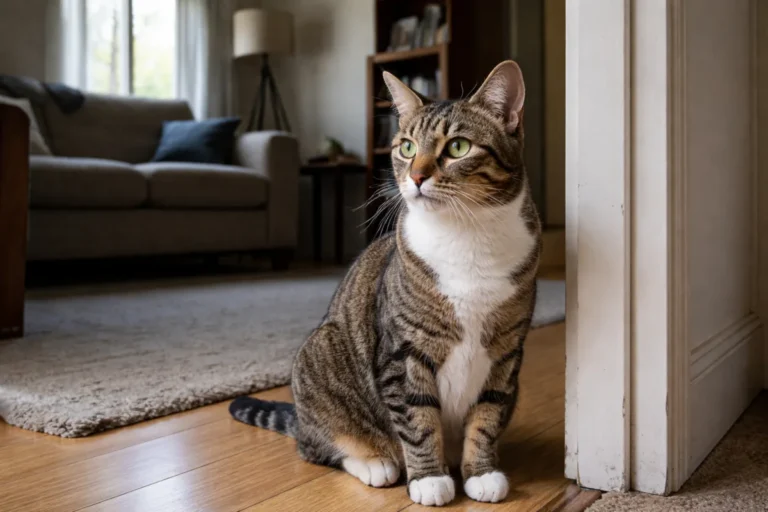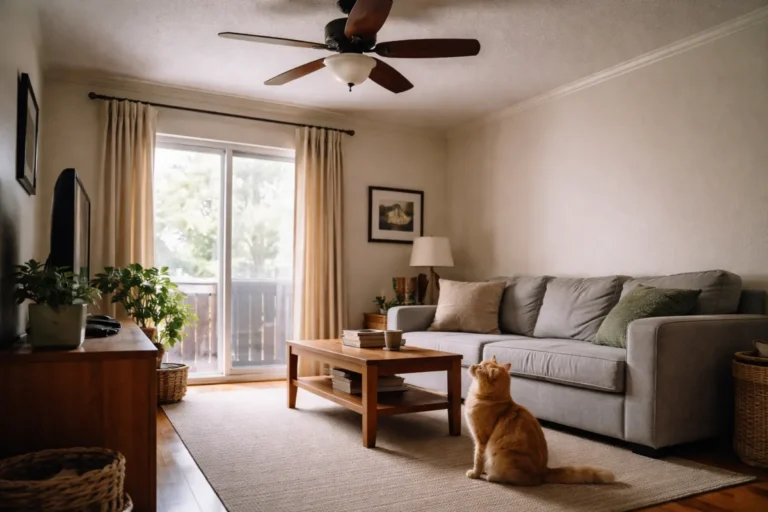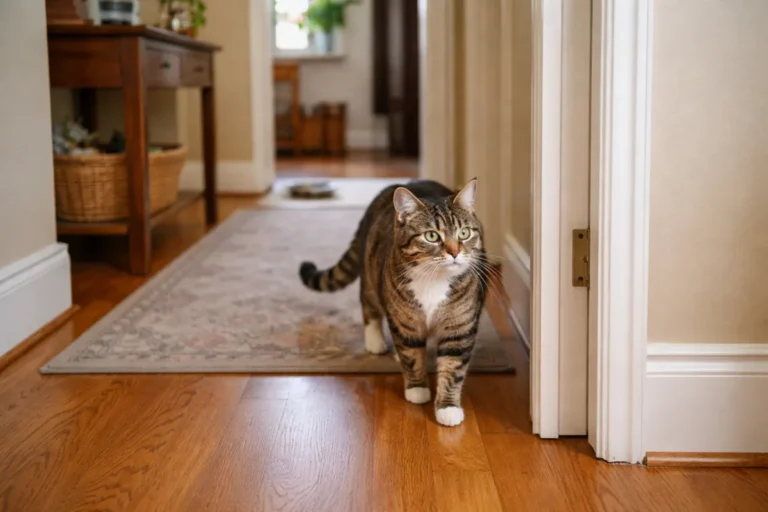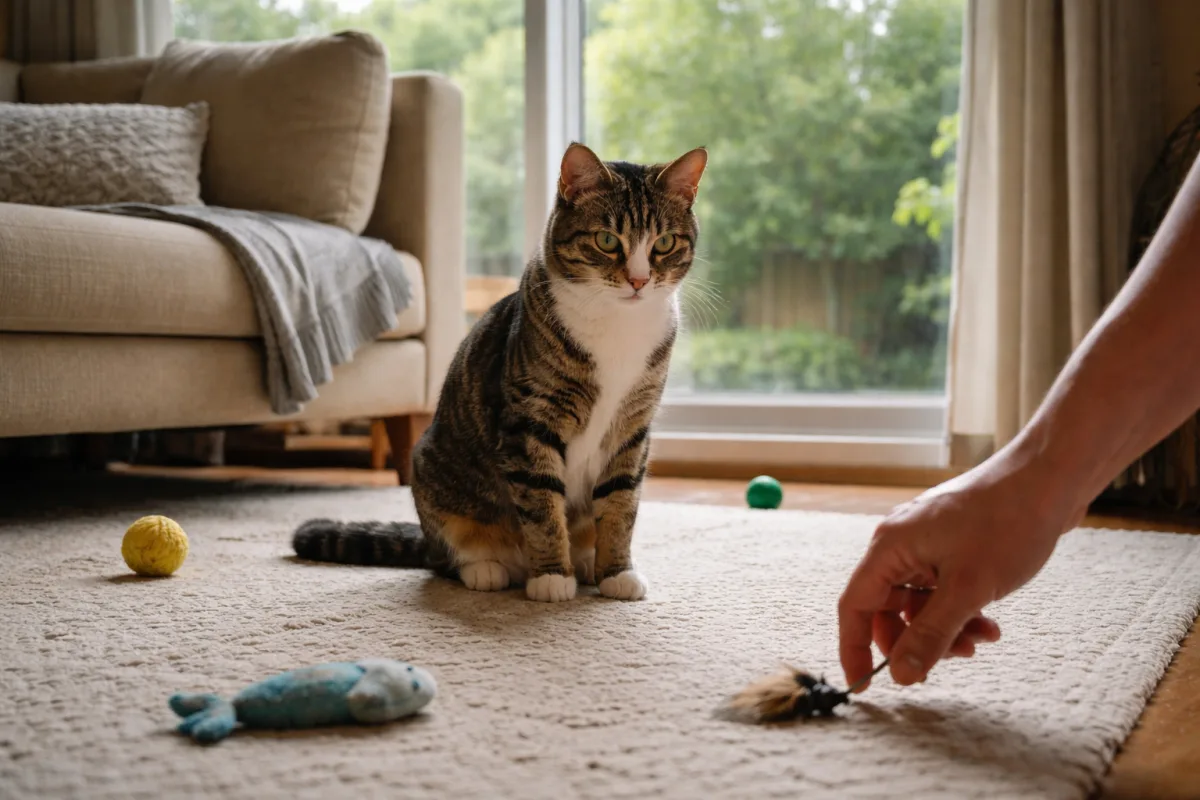
A cat that notices every movement can seem almost unnervingly aware. A hand reaching for a cup, a foot shifting under a blanket, a door opening in the next room, and the cat is already looking in that direction. That level of attention is not random. It usually reflects a mix of instinct, curiosity, habit, and the cat’s own sense of safety.
Some cats track movement because they are relaxed and alert at the same time. Others do it because they are highly sensitive to changes in their environment. A cat may be watching for food, play, trouble, or simply the next interesting thing. The meaning depends on the whole picture, not just the stare.
In daily life, this behavior can look sweet, intense, funny, or a little exhausting. One cat follows the sound of socks on the floor as if it were a major event. Another tracks every shift on the couch but never seems to act on it. When a cat notices every movement, it is often saying something about how it experiences the world around it.
Why Cats Track Movement So Closely
Movement matters to cats in a way it does not always matter to people. Their ancestors survived by noticing tiny changes in the environment. A flick of grass could mean prey. A sudden pause could mean danger. That background still shapes modern cats, even if they live in a quiet apartment with a full food bowl.
When a cat watches every motion, it is often following a natural pattern of scanning. Cats are built to detect quick changes, especially those that may lead to food, play, or risk. Their eyes and attention are tuned to motion, which is why a simple hand gesture can capture them faster than a spoken word.
This does not automatically mean the cat is nervous or hungry. Sometimes it just means the cat is awake, interested, and doing what cats do best: observing. A still cat may be relaxing, but an observing cat is processing the room.
Movement-focused attention is often normal cat behavior. The key is whether the cat looks calm, tense, playful, or hyper-alert while doing it.
What It Looks Like in Everyday Situations
The behavior can show up in small, ordinary moments. You may notice your cat turning its head each time you shift in your chair. Some cats keep one eye on you while pretending to nap. Others follow you from room to room, not always walking behind you, but tracking your position carefully.
At mealtime, the reaction may become sharper. A cat might watch the spoon, the food bag, or the route you take to the kitchen. In the evening, the same cat may track blankets being pulled, pillows being adjusted, or the TV remote moving across the couch. These are tiny signals to us, but they can mean a lot to a cat.
Outdoor-facing windows can bring out the same behavior. A cat may freeze and follow the path of birds, leaves, people, bicycles, or shadows. Even indoor cats often become intensely focused when something enters their territory, because movement breaks the routine and demands attention.
Common everyday signs
- Head turning quickly toward any sound or motion
- Eyes fixed on hands, feet, or objects being moved
- Slow tail movement while watching closely
- Following a person from room to room with brief pauses
- Sudden interest in doors, bags, boxes, or laundry
These moments may look similar, but the cat’s mood can be very different in each one. A relaxed watcher behaves differently from a cat that is wound up or uneasy.
Possible Internal Reasons Behind the Behavior
A cat that notices every movement is not always responding to one single need. Often several things are happening at once. Curiosity is one. Instinct is another. Habit plays a role too. Some cats simply learn that human movement often leads to food, attention, or interaction.
Anticipation is a big part of it. If a cat has learned that walking into the kitchen sometimes leads to treats, it will pay close attention to any movement that looks like food preparation. If the cat has a history of play sessions after dinner, the rustle of a toy or the way you stand up can become meaningful.
Security also matters. Cats feel more comfortable when they can predict what is going on around them. Watching closely may help them feel prepared. For a cat with a strong awareness of its surroundings, movement is information. The cat is constantly asking, in its own way, what changed and whether it matters.
What the cat may be processing
- Whether food, play, or attention is about to happen
- Whether the environment is safe and stable
- Whether another animal is nearby
- Whether a person’s movement signals a routine event
- Whether a change is worth investigating
If a cat’s attention spikes during predictable routines, such as feeding or bedtime, the cat may be responding to learned patterns rather than stress.
How Context Changes the Meaning
The same behavior can mean different things depending on where and when it happens. A cat that watches every movement during play is likely engaged and interested. A cat that does the same thing after a loud noise or unfamiliar visitor may be feeling cautious. Context gives the behavior its meaning.
Home environment matters a great deal. A quiet cat in a predictable household may watch movement out of habit and boredom. In a busy home with children, pets, and frequent activity, the same behavior may be part of how the cat keeps track of everything that is happening. Some cats adapt by becoming excellent observers.
Indoor cats often notice human motion more than outdoor cats do, simply because their world is smaller and more human-centered. In a house or apartment, a person moving from one room to another can feel like a major event. The cat’s attention follows the action because there is less else to monitor.
Environmental factors that can increase attention to movement
- Frequent changes in routine
- Loud or unpredictable household activity
- Limited enrichment or lack of play
- New pets, visitors, or furniture
- Window views with lots of visual stimulation
A cat living in a calm, structured home may still watch everything closely, but the reason often looks different. In that setting, the behavior is more likely to reflect natural alertness than discomfort.
Soft Attention Versus High Alert
Not all movement-tracking looks the same. A soft version is easy to miss unless you are paying attention. The cat may blink slowly, keep its body loose, and simply turn its head when something moves. That kind of watchfulness often belongs to a cat that is relaxed but interested.
High-alert tracking is more intense. The body stiffens. The pupils may widen. The cat may stop grooming, stop eating, or crouch in place. Every movement around it seems to matter. In some cases, the cat may be preparing to pounce, defend, or retreat, depending on what it expects next.
Playfulness can also look intense. A cat may lock onto a dangling sleeve, a moving toe under a blanket, or a toy dragged across the floor with great focus. The difference is in the body language. Play often includes bouncy posture, quick tail flicks, and sudden bursts of movement. Stress usually looks tighter and more controlled.
| Behavior | Likely meaning | Typical body language |
|---|---|---|
| Calm watching | Interest, routine awareness | Loose body, slow blinking, steady breathing |
| Play focus | Hunting instinct, engagement | Low crouch, quick tail movement, sudden pounce |
| High alert | Caution, uncertainty, overstimulation | Stiff body, wide pupils, frozen posture |
Reading the whole cat matters more than reading the stare alone. A cat that watches movement is not always sending the same message.
What Owners Often Notice First
Many owners notice the behavior because it seems personal. The cat sees every time you stand up. It notices your hand reaching into a bag. It watches you walk from the bedroom to the kitchen as if it is keeping score. That can feel strangely intense, but it is often the cat’s way of staying connected to the rhythm of the house.
Sometimes owners assume the cat is demanding attention. That can be true, but not always. A cat may watch a person carefully because the person is part of a reliable pattern. Cats learn people the way they learn weather: by noticing what usually happens next. A pet owner who feeds, plays, or opens doors on a schedule becomes highly relevant.
Other times, the cat may be using movement as a signal to decide whether to engage. A cat might watch you stand up to see if you are heading toward the treat cabinet, the litter box, or the sofa where it likes to sit. The attention is practical. Cats like to gather information before they act.
When a cat watches every movement but still eats, grooms, and rests normally, the behavior is often a sign of interest rather than a problem.
When the Behavior May Reflect Stress or Uncertainty
There are moments when constant tracking of movement deserves a closer look. If the cat seems unable to settle, startles easily, or follows motion with a tense body, the behavior may be linked to stress. This is especially true if the cat appears unable to relax even in familiar spaces.
Look for other signs that the cat feels uneasy. These may include hiding more often, reduced appetite, excessive grooming, flattened ears, or a tail that stays tightly tucked. A cat in that state may scan the room repeatedly because it does not feel fully secure.
Change can bring this out. A move, a new pet, construction noise, or a shift in household routine can make a cat more reactive. The cat is not being dramatic. It is trying to make sense of the environment by watching it closely.
Signs that the attention may be stress-related
- Rigid posture instead of relaxed watching
- Frequent startle responses
- Difficulty settling to rest
- Reduced interest in food or play
- Repeated scanning of the room without obvious trigger
When the cat’s vigilance comes with tension, the issue is usually not the movement itself. It is the feeling that the environment is not fully predictable.
How Play and Prey Drive Shape the Behavior
Some cats are simply more motion-driven than others. A cat with a strong play drive may react to even small gestures because movement activates hunting behavior. A finger under a blanket, a rolling pen, or a shifting shadow can be enough to wake that instinct.
This is why some cats seem to notice everything on the floor while ignoring a loud voice. Their attention is wired toward motion that resembles prey. It is not about intelligence or obedience. It is about what the cat’s brain finds interesting.
Young cats often show this more strongly because they are energetic and quick to react. But adult cats can keep the same habit, especially if they have learned that movement leads to rewarding play. A cat that was often played with using hands or fast-moving toys may become highly responsive to any motion from a person.
That is also why structured play can change how the behavior appears. A cat that gets regular interactive play may still notice movement, but it may not feel as frantic about it. The attention has somewhere to go.
How Indoor Life Shapes the Habit
Indoor cats often become expert observers because so much of their world is made up of people, furniture, routines, and small environmental changes. The cat learns the sound of your steps. It knows the opening of a cabinet door. It recognizes the difference between a weekday morning and a weekend afternoon.
This makes movement especially meaningful. A cat in a small space may not have many choices about where to focus, so it pays attention to the motion around it. Even a bird outside the window can become a major event. The cat is not overreacting from a human point of view. It is responding to a limited but important world.
In a very quiet home, the behavior may stand out more because there is less background noise to dilute it. In a lively home, constant movement can keep the cat alert for long periods. Either way, the cat becomes a reader of patterns. It studies what people do, when they do it, and how fast things change.
Long-Term Patterns and What They Suggest
Some cats are lifelong watchers. The habit starts early and stays steady. Others become more attentive after a change in lifestyle, household activity, or feeding routine. What matters most is whether the pattern feels stable and consistent or new and unusual.
A stable, lifelong pattern usually means the cat is naturally observant. These cats often prefer predictability and may enjoy being near the center of activity without joining it directly. They watch because that is how they stay informed.
A sudden increase in attention to movement, on the other hand, may point to a recent change. It could be excitement, but it could also be discomfort. Cats often show their concerns subtly, and watching everything around them may be one of the first signs that something feels different.
Consistency is a useful clue. A cat that has always been watchful is different from a cat that suddenly seems unable to ignore every small motion.
Reading the Cat as a Whole
The behavior makes more sense when you look at the full picture. A cat that notices every movement while eating well, sleeping normally, and engaging in play is often simply alert and curious. A cat that watches every motion but also seems tense, withdrawn, or restless may be telling you the environment feels off.
Body language gives important context. Ears facing forward usually suggest interest. Ears turned back, a stiff spine, and a puffed-up tail can mean something more defensive. Slow, deliberate movement toward the source may show confidence, while frozen stillness can show caution.
Timing matters too. If the cat tracks your motion mainly before meals, before play, or during a daily routine, the behavior may be tied to expectation. If it happens during every room change and every sound, the cat may be highly stimulated or uneasy. These are different situations, even if they look similar at first glance.
A Quiet Ending to the Pattern
Cats notice movement because movement has meaning in a cat’s world. It can promise food, signal play, reveal a routine, or suggest a change that deserves caution. For many cats, watching everything is just part of how they move through the day. For others, it is a way of managing uncertainty.
The best clues are often small: the looseness of the body, the timing of the stare, the way the tail moves, and what happens next. A cat that notices every movement is not being mysterious for the sake of it. It is reading the room, one change at a time.