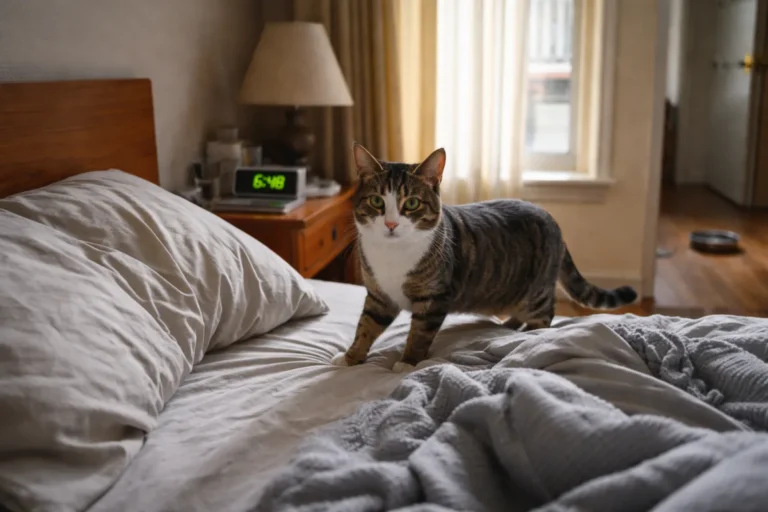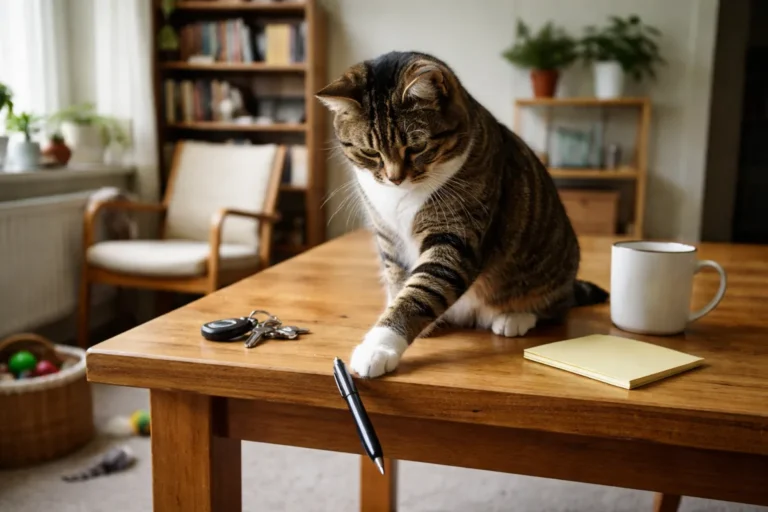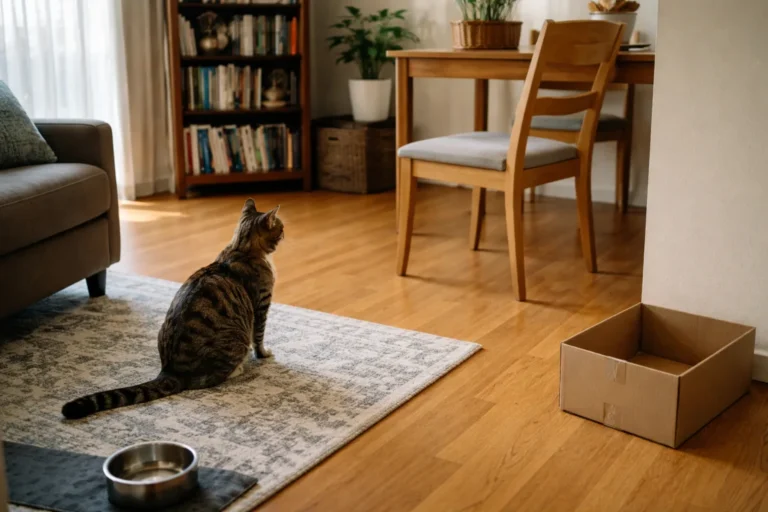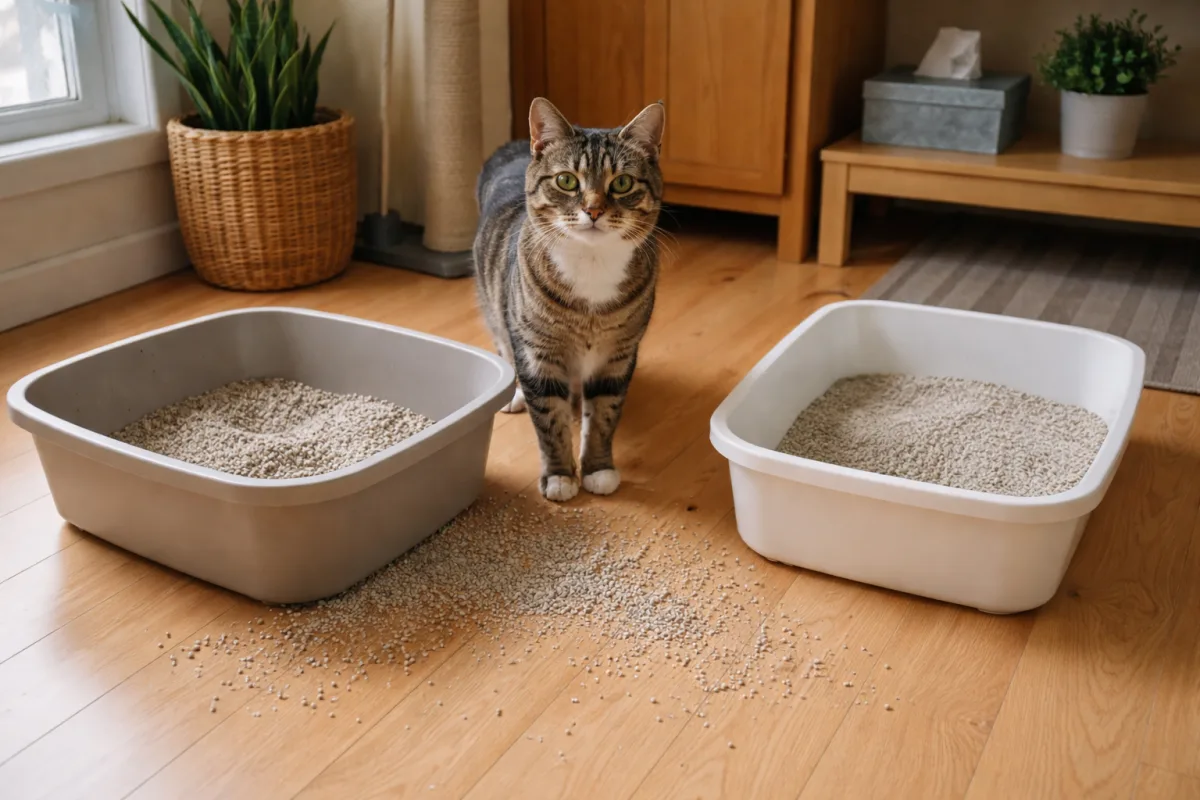
A cat that suddenly stops using the litter box is rarely being “bad” on purpose. In most cases, the behavior is a signal. Something about the cat’s body, routine, environment, or litter setup no longer feels right, and the bathroom problem is the clearest way to show it.
Some cats urinate on a rug once and then return to the box. Others keep missing the box, choose a corner of the house, or avoid the litter box for days. The details matter. A one-time accident can have a very different meaning from a repeated pattern, and the timing often gives away the reason.
What looks like stubbornness is usually a mix of comfort, habit, and stress. Cats are private, sensitive animals. If the litter box becomes unpleasant, painful, or hard to reach, they may look for another place that feels safer or cleaner in their own judgment.
Why a Cat May Refuse the Litter Box
There is not one single reason a cat avoids the litter box. The most common causes fall into a few broad groups: medical discomfort, litter box aversion, stress, territorial conflict, and changes in the home. A cat may have more than one reason at the same time, which makes the behavior harder to decode.
Medical issues should always stay near the top of the list. Urinary tract infections, bladder inflammation, constipation, arthritis, and kidney problems can all make box use painful or difficult. If a cat begins associating the box with discomfort, they may try to go somewhere else.
Behavioral reasons can be just as real. A box that is too dirty, too small, placed in a noisy area, or shared in a tense multi-cat home can feel unacceptable. Cats often prefer predictable, low-traffic spaces where they can enter, turn around, and leave without feeling trapped.
When a cat avoids the litter box, the first question is not “why are they being difficult?” It is “what has changed for them?”
Common Signs That Go With Litter Box Refusal
Litter box refusal is not always obvious at first. Some cats still try to use the box but leave quickly, scratch the sides more than usual, or step in and then step out without going. Others choose a nearby floor, bathtub, or soft laundry pile instead.
The location of the accident can be revealing. Urinating on smooth tile, for example, may suggest a cat is looking for an easy, low-effort surface. Going on bedding, rugs, or clothes may point to scent-marking, stress, or a preference for softer material. Repeated accidents in the same spot often mean the area now smells like a bathroom to the cat, even if it has been cleaned.
Body language can also tell you a lot. A cat in discomfort may crouch low, visit the box often, strain, cry, lick the genital area, or seem restless after trying to go. A stressed cat may look alert, avoid certain rooms, or hesitate near the box before walking away.
What to Notice in Daily Life
- How often the cat enters the litter box
- Whether they strain, cry, or seem rushed
- Whether urine or stool volume has changed
- Whether the cat avoids specific rooms or boxes
- Whether accidents happen after routine changes
- Whether the cat seems otherwise normal or unwell
Medical Reasons That Can Make the Box Feel Unusable
Health problems often create the strongest and most urgent litter box issues. A cat with bladder pain may want to urinate but feel discomfort every time they try. A cat with constipation may associate the box with straining and abdominal pain. Older cats can also struggle with stiffness, joint pain, or reduced mobility that makes stepping into a box harder than it used to be.
Urinary signs need prompt attention. Frequent trips to the box, little or no urine, blood in the urine, crying while trying to go, or repeated licking of the genital area are all red flags. Male cats in particular can develop urinary blockage, which is an emergency and should never be watched at home for long.
Digestive problems can matter too. If a cat feels constipated, the box may become a place they try to avoid because it reminds them of effort and discomfort. Even a cat who is still eating and acting fairly normal may begin choosing odd bathroom spots if elimination has become physically unpleasant.
Any sudden change in bathroom habits deserves medical attention, especially if the cat seems painful, is producing very little urine, or is straining repeatedly.
How the Litter Box Itself Can Cause the Problem
Sometimes the cat is healthy, but the box setup has become the issue. A box that worked for months can start to feel wrong after a change in litter brand, cleaning routine, location, or household noise. Cats are creatures of habit, and small changes can matter more than owners expect.
Dirty litter boxes are one of the most common reasons for refusal. Many cats dislike stepping into a box that smells strongly of waste or has clumps left behind. A cat may use the box less often, hover around it, or look for another place if the box is not cleaned often enough for their preference.
Box size matters too. A cat should be able to enter, turn around, dig, and cover waste without bumping into the sides. Covered boxes can trap odor and make some cats feel cornered. Multi-cat households often need more boxes than people think, especially when one cat guards a preferred location.
Box Features That Often Create Problems
| Feature | Possible issue |
|---|---|
| Small box | Hard to turn around or dig comfortably |
| Covered box | Odor buildup, trapped feeling, less visibility |
| Strong scented litter | Overpowering smell, refusal to enter |
| Dirty box | Unpleasant surface and odor |
| Noisy location | Cat feels exposed or interrupted |
| Hard-to-reach placement | Painful or inconvenient for older cats |
Stress and Territorial Pressure in the Home
Cats often respond to stress through bathroom habits. A move, a new pet, visitors, construction noise, or changes in the owner’s schedule can all unsettle a cat enough to affect litter box use. Even a cat that seems calm may begin avoiding the box when the home feels less predictable.
In multi-cat homes, territorial tension is especially important. One cat may block another from the litter area, stare them down, or wait nearby. The cat being pushed away may stop using the box simply because they no longer feel safe getting to it.
This kind of problem can be subtle. There may be no open fighting. The cats may only share a look, a pause, or a tense hallway encounter. Still, that brief pressure can be enough to change bathroom behavior, especially if the litter box is in a narrow or exposed location.
Stress Clues That Often Appear Alongside Refusal
- Hiding more than usual
- Startling easily
- Reduced appetite
- Excessive grooming
- Using one box and avoiding another
- Accidents after guests, travel, or household changes
Why Some Cats Prefer a Different Surface
Sometimes the cat is not rejecting bathroom habits at all. They are choosing a surface that feels better. Soft bedding, towels, carpets, or laundry can seem appealing because they are quiet, absorbent, and easy to settle into. For a cat, these places may feel more secure than a shallow box with unfamiliar litter texture.
Texture sensitivity is real. Some cats dislike large pellets. Others hate perfumed litter. A cat that walks in, scratches, and leaves may be telling you the litter feels unpleasant on their paws or that the smell is too strong.
Age can affect this too. Kittens are still learning, and older cats may become more selective or physically limited. A senior cat with sore joints may choose the shortest, easiest path, which might mean an accident near the box rather than climbing into it.
How to Tell if It Is a Preference Problem or a Health Problem
This is where careful observation helps. A cat who stops using the box and also seems sick, painful, or unusually quiet needs a veterinary check. A cat who is eating, playing, and otherwise acting normal may still have a health issue, but a litter setup problem becomes more likely if the behavior started right after a box or household change.
Patterns are useful. If the cat uses the box sometimes but not consistently, the cause may be mixed. A cat can have mild discomfort and also dislike the litter texture. A stressed cat can also become more vulnerable to urinary problems. The causes often overlap rather than stand alone.
Do not assume a litter box problem is purely behavioral if the change was sudden, the cat is older, or the cat seems uncomfortable while trying to go.
What Owners Often Misread
Many people assume a cat is refusing the litter box out of revenge or spite. That interpretation is common, but it usually misses the real issue. Cats do not think about bathroom behavior the way people do. They respond to what feels tolerable, safe, and familiar in the moment.
Another common mistake is treating the accident as the whole problem and ignoring the location and timing. A cat that urinates on the bed during a stressful week may be reacting to anxiety or scent attachment, not making a deliberate choice to annoy anyone. A cat that repeatedly misses the box after using it for years may be telling you the box has become physically difficult to reach.
Cleaning the area matters, but cleaning alone may not solve the pattern. If odor remains, the cat may return to the same spot. If the underlying issue is pain, stress, or box aversion, the behavior can continue until that cause is addressed.
What a Stable Long-Term Pattern Can Mean
Some cats have always been particular, but consistent box refusal over time is still meaningful. A cat that repeatedly avoids one type of litter, one room, or one box location is showing a lasting preference or a lasting problem. That information is useful because it helps narrow down the cause.
If the pattern changes with seasons, visitors, noise, or household routine, the environment is likely involved. If the behavior worsens with age, stiffness or chronic illness may be part of the picture. If the cat improves when a new box is added or the litter is changed, the answer may be simpler than expected.
Long-term observation should focus on consistency. Which box gets used? What time of day do accidents happen? Does the cat avoid enclosed spaces? Does the issue fade when the home is quieter? These details often reveal more than a single messy incident.
What to Do Next
Start with health. A veterinary exam is the safest first step, especially for sudden changes, frequent urination, straining, blood, or signs of pain. If the cat receives a clean bill of health, shift attention to the setup and the home environment.
Make the litter box easy to use. Keep it clean. Choose a quiet, accessible location. Offer enough boxes if more than one cat shares the home. Try a plain, unscented litter if the current one may be the problem. For older cats, a lower-entry box can make a big difference.
Then watch the pattern without guessing too quickly. A cat that refuses the litter box is communicating through behavior, and the message often becomes clearer when you look at comfort, access, and stress together rather than treating the problem as simple disobedience.
When the Behavior Makes More Sense
The litter box is supposed to be the easiest place for a cat to go. When it stops working, there is usually a practical reason behind it. Pain changes habits. Stress changes habits. A dirty box changes habits. A poor location can do the same.
Once the reason becomes clearer, the behavior feels less mysterious. The cat is not suddenly unreasonable. They are reacting to something that has made the box less usable than it was before. That shift can be small, but for a cat, small things are often enough to matter.
Watching the details, rather than the mess alone, is usually what leads to the right fix. The box problem is often the visible part of a larger story, and the rest of that story is already written in the cat’s routine, body language, and everyday choices.