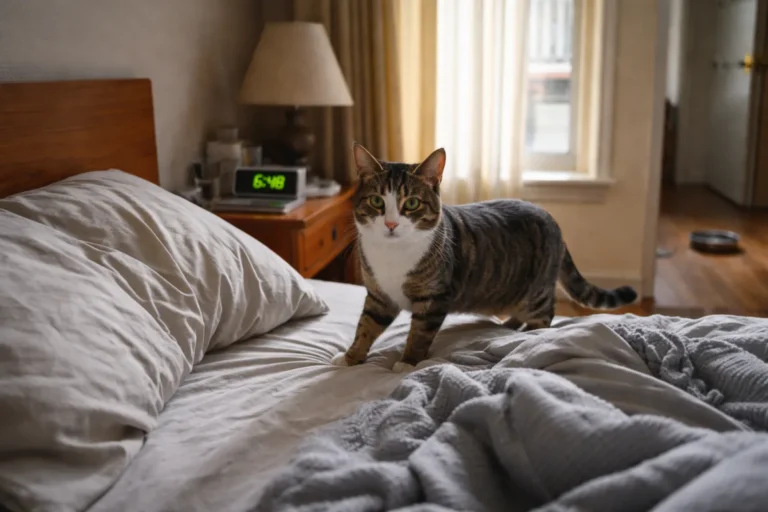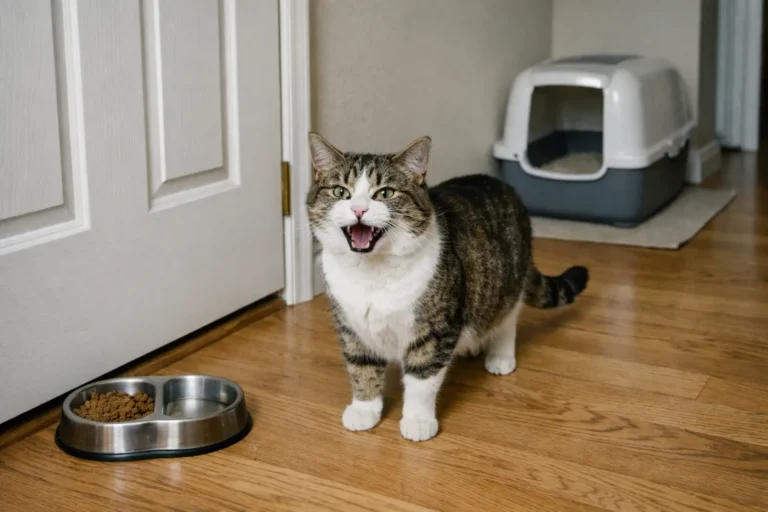
A cat that refuses to be touched is not always being difficult. Sometimes it is setting a clear boundary, and sometimes it is responding to something in its body or surroundings that feels wrong. The behavior can look simple from the outside, but the reason behind it is often more layered than people expect.
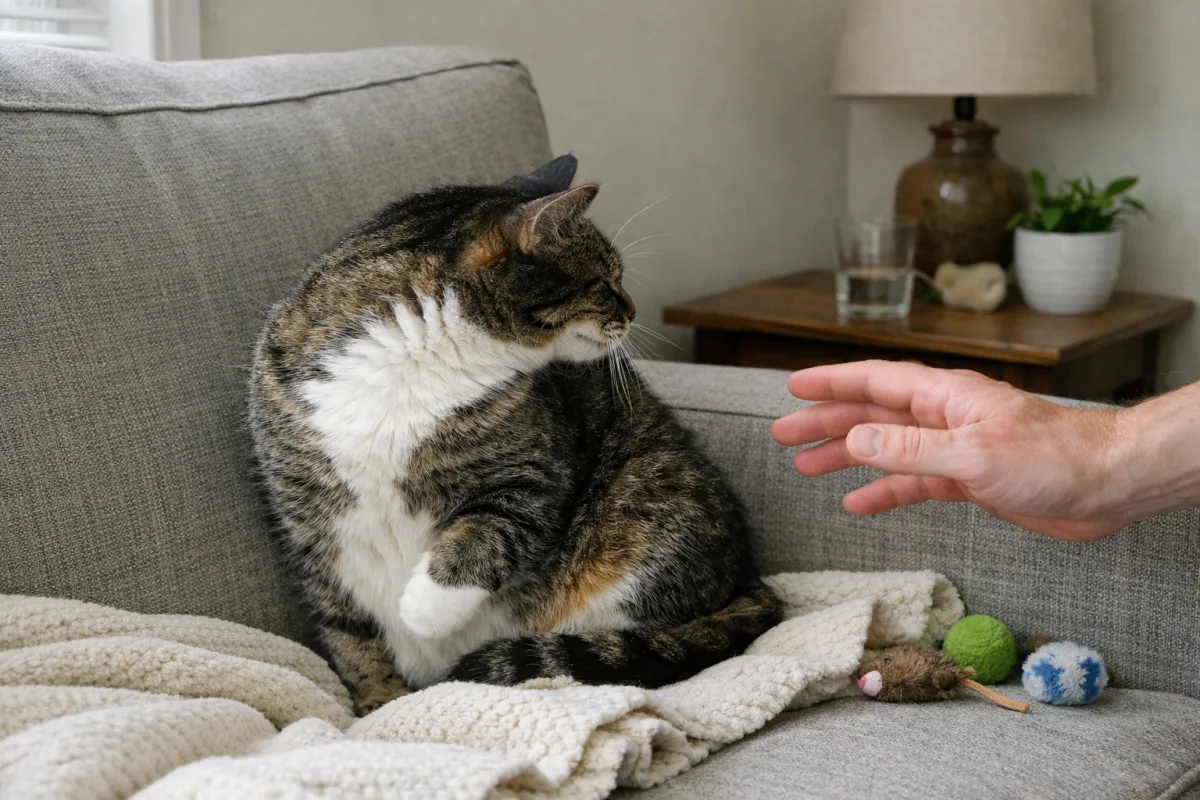
Some cats lean away when a hand comes near. Others tolerate petting for a moment, then suddenly twist, step back, or swat when the touch continues. A cat may accept contact in one room and reject it in another. It may enjoy being near you but never want hands on its body. That difference matters.
When a cat consistently avoids touch, the behavior is usually communicating something specific. It may reflect personality, past experience, pain, stress, or a preference for control. The details of when, where, and how the cat reacts often reveal more than the refusal itself.
What this behavior looks like in everyday situations
Refusing touch can show up in small, ordinary moments. You reach down to pet your cat, and it moves just out of range. You pick it up, and it stiffens, pushes away, or wriggles to get free. You sit beside it on the couch, and it stays close but ducks its head every time your hand approaches.
Some cats dislike being touched only in certain areas. The belly may be off limits, while the chin is acceptable. Back petting may be fine for a few seconds, then suddenly too much. In other cats, nearly all touch is unwelcome unless the cat initiates it first.
There is a difference between a cat that simply prefers less contact and a cat that seems uneasy around any physical approach. A relaxed but touch-averse cat often looks calm, with loose muscles and normal breathing. A more guarded cat may crouch, tense up, flatten its ears, or stare at the hand before moving away.
Touch refusal is not one single behavior. It can mean “not now,” “not there,” “not like that,” or “not from you.” The context changes the meaning.
Why cats show this behavior in general
Cats are not social in the same way people are. They do not usually seek constant physical reassurance, and many prefer to control exactly when contact happens. A cat’s comfort with touch often depends on whether it sees the interaction as safe, predictable, and optional.
Some cats are naturally more tactile than others. They may enjoy being held, stroked, or brushed for long periods. Others are affectionate in quieter ways. They sit nearby, follow you from room to room, or sleep at your feet, yet still reject hands on their body. That is still social behavior. It just has different boundaries.
Past experience also shapes touch tolerance. A cat that was handled roughly, chased, grabbed, or restrained may stay wary long after the original situation is gone. Kittens that were not gently exposed to handling may grow into adults who are unsure about human hands. Even a cat with a friendly temperament can become touch-sensitive after repeated unpleasant experiences.
Physical discomfort is another major reason. Cats often hide pain, and a body that hurts can make touch feel threatening. A cat with arthritis may avoid being picked up. A cat with skin irritation may resist petting on the back or sides. A cat with dental pain may not want its face touched at all.
Common situations when it appears
During greetings
Some cats dislike being touched at the start of an interaction. They may approach, sniff, and rub against your legs, but reject a hand reaching toward their head. This can look confusing because the cat seems to invite attention and then refuses it. Often, the cat wants to be in charge of the contact, not surprised by it.
When picked up
Being lifted is a common trigger. Many cats tolerate it only briefly, and some never enjoy it. A cat that stiffens the moment it is picked up is usually signaling discomfort, not rudeness. Even cats that allow lifting may prefer having their paws supported and their body held close rather than dangling in the air.
During petting sessions
A cat may ask for petting, then change its mind quickly. This does not mean the cat was pretending. It may have liked the first few strokes but reached its limit. Tail flicking, skin twitching, ears turning sideways, and sudden head movement often appear before the cat fully leaves.
Around specific people
Touch refusal can be selective. A cat may allow one family member to pet it while avoiding another. That difference may come from scent, movement style, tone of voice, or earlier handling habits. The cat may also feel more relaxed with the person who respects its boundaries more consistently.
After changes at home
Moving furniture, adding a new pet, changing routines, or having visitors can make a cat less tolerant of touch. The cat may already feel on alert, so even normal petting becomes too much. In these cases, the refusal is less about the hand itself and more about overall tension.
What the behavior may signal about the cat’s state
Not wanting to be touched can point to emotional state, physical condition, or both. A cat that refuses contact while otherwise acting normal may simply be expressing preference. A cat that suddenly changes its response, however, deserves closer attention.
Calm preference
Some cats are clearly comfortable yet uninterested in physical contact. They may sit beside you, accept treats, and relax in your presence without seeking petting. Their refusal is steady and predictable. It is part of their normal style.
Stress or overstimulation
A cat under stress may become much less open to touch. It may hide more, react faster, and move away before you get close. Overstimulation can also play a role. A cat may enjoy a few seconds of contact and then become sensitive as arousal builds. What looked like a mood shift is often the point where the cat’s threshold was reached.
Pain or discomfort
When touch refusal is paired with behavioral change, pain should be considered. Watch for limping, lower activity, reluctance to jump, grooming changes, hiding, appetite shifts, or irritability when the cat is handled. A sore back, abdomen, joints, ears, or mouth can all make touch feel intolerable.
If a usually affectionate cat starts avoiding touch suddenly, or if touch leads to flinching, hiding, or aggression, a medical cause should be on the list early.
Fear-based response
Fearful cats tend to brace before contact even happens. They may pull away from a hand that moves toward their face or lower their body and freeze. This often appears in cats with limited early social exposure or cats that have learned hands can mean restraint or unwanted handling. The refusal is not random; it is a protective response.
Subtle signals that accompany refusal
Body language usually tells the fuller story. A cat does not need to bite or hiss to show that touch is unwelcome. Small changes can appear well before the cat fully leaves.
- ears turning sideways or back
- tail flicking or thumping
- skin rippling along the back
- pupil dilation without obvious excitement
- head turning away from the hand
- freezing for a moment before moving off
- licking lips or nose
- low crouching or tense posture
The timing matters too. A cat that refuses touch only when it is sleeping, eating, or using the litter box may simply be sensitive to interruption. A cat that avoids touch throughout the day may be more generally guarded. Intensity matters as well. A light step away says something different from a hard swat or yowl.
Mixed signals are common. A cat may purr while declining further petting. It may rub against your legs but reject a hand. It may knead a blanket near you and still not want to be stroked. In cats, affection and touch tolerance are related but not identical. One does not guarantee the other.
How owners often interpret it vs what it may actually mean
People often assume a cat that refuses touch is being aloof, dominant, or unfriendly. Those labels are usually too simple. Cats make decisions based on comfort and predictability, not on the need to prove a point.
A cat that steps away from petting may not dislike the person. It may dislike the speed of the hand, the location of the touch, or the length of the interaction. A cat that only accepts touch after initiating contact may be saying that it wants choice. That is a reasonable preference, not a rejection of the relationship.
Sometimes the cat is asking for connection in a different form. Sitting nearby, blinking slowly, following you, or sleeping in the same room can all be social signals. Touch is only one part of the interaction. For some cats, proximity is the preferred language.
Owners can also misread a cat that is overwhelmed. When a cat suddenly refuses touch after previously enjoying it, the change is often interpreted as attitude. In reality, the cat may be signaling pain, environmental stress, or a lowered tolerance level from too much stimulation.
How context and environment influence the behavior
Environment shapes touch tolerance more than many people realize. A cat that is comfortable in a quiet bedroom may avoid petting in a busy kitchen. A cat that accepts touch in the evening may reject it in the morning. The setting changes the cat’s sense of safety.
Noise, visitor traffic, other pets, and even strong household smells can make touch feel like too much. Cats are highly observant. If the home feels unpredictable, they often become more selective about interaction. A cat may not be rejecting you as much as reacting to the overall level of disruption.
Routine matters too. Cats like patterns they can predict. If hands usually appear during medication, grooming, or being moved into a carrier, they may come to associate touch with unwanted events. Even affectionate contact can become less welcome if it often happens when the cat is already tense or busy.
Space affects behavior as well. Cats that have few retreat options may guard their bodies more closely. A cat resting in a narrow hallway or on a high perch may resent being cornered. In contrast, a cat that feels free to leave usually shows its preferences more clearly and with less intensity.
| Situation | Possible meaning |
|---|---|
| Moves away from petting but stays nearby | Prefers proximity without physical contact |
| Rejects touch only in specific spots | That area may be sensitive or painful |
| Suddenly stops allowing touch | Stress, pain, or a change in comfort level |
| Allows touch only when it initiates | Wants control over the interaction |
| Acts tense in certain rooms or around noise | Environment is affecting tolerance |
What to do when a cat refuses touch
Respecting the boundary is the first step. If a cat moves away, do not keep reaching. Let the cat decide whether the interaction continues. Repeatedly following a cat with your hand can make the refusal stronger over time.
Watch for patterns. Notice which times of day, body areas, or household conditions lead to rejection. Some cats tolerate brief chin scratches but dislike petting along the back. Others are fine after a nap but not during active play. These details help separate preference from discomfort.
Approach more slowly and let the cat initiate when possible. Offer a hand and wait. If the cat leans in, that is useful information. If it turns away, take the answer seriously. Cats often become more trusting when they learn they do not have to brace for unwanted handling.
If the behavior is new or stronger than usual, a veterinary check is worth considering. Sudden touch refusal, especially when paired with hiding, appetite change, or irritability, can be a sign that something physical is bothering the cat. Pain is easy to miss in cats because they hide it so well.
A cat does not need to enjoy being touched to feel bonded. Trust can show up in many forms, and touch is only one of them.
When the behavior becomes more noticeable
Touch refusal often becomes more visible during life transitions. A young cat may become more selective as it matures. An older cat may tolerate less handling because its joints or skin have changed. A previously social cat may withdraw during illness, after a move, or during household upheaval.
Some cats are also more touch-sensitive at certain times of day. Early mornings, late evenings, or post-play moments can bring different reactions. After a burst of activity, a cat may be too wired for petting. After a nap, it may prefer stillness before contact.
Seasonal changes can matter too. Cats with skin irritation, shedding discomfort, or temperature sensitivity may become less accepting of physical contact during certain months. A cat that once liked a long petting session may suddenly prefer shorter, lighter interactions when conditions change.
Long-term patterns and stability
Many cats show a fairly stable relationship with touch over time. Their preferences remain consistent once you learn them. That stability makes the behavior easier to read. A cat that has always disliked being picked up is not necessarily signaling a new problem. It may simply be a cat that has always preferred other forms of closeness.
Still, stable patterns can coexist with small shifts. A cat may accept more touch from a trusted person over the years, or it may become less tolerant as it ages. What stays the same is usually the core boundary: how much contact feels acceptable, and under what conditions.
Long-term observation is useful because it separates personality from change. If the behavior has been present since kittenhood, it may be part of the cat’s baseline. If it appeared later, especially abruptly, the explanation is more likely to involve health, stress, or a recent environmental shift.
Closing thought
A cat that refuses to be touched is usually communicating through distance, posture, and timing. The message may be simple: this body area hurts, this moment feels too intense, or this kind of contact is not welcome. Sometimes the cat wants closeness but not hands. Sometimes it wants the interaction on its own terms. Reading those differences carefully turns the behavior from a mystery into useful information.
Over time, the clearest answer often comes from patterns. Which touch is rejected, when it happens, and what changes around the cat at the same time all matter. A cat’s boundaries are rarely random. They are part of how it manages safety, comfort, and control in a human home.